Harvard serves up its own 'plate'
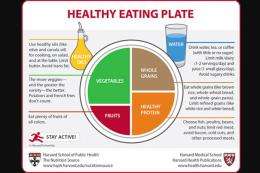
The Healthy Eating Plate, a visual guide that provides a blueprint for eating a healthy meal, was unveiled today by nutrition experts at Harvard School of Public Health (HSPH) in conjunction with colleagues at Harvard Health Publications. Similar to the U.S. government’s MyPlate, the Healthy Eating Plate is simple and easy to understand — and it addresses important deficiencies in the MyPlate icon.
“Unfortunately, like the earlier U.S. Department of Agriculture (USDA) pyramids, MyPlate mixes science with the influence of powerful agricultural interests, which is not the recipe for healthy eating,” said Walter Willett, professor of epidemiology and nutrition and chair of the Department of Nutrition at HSPH. “The Healthy Eating Plate is based on the best available scientific evidence and provides consumers with the information they need to make choices that can profoundly affect our health and well-being.”
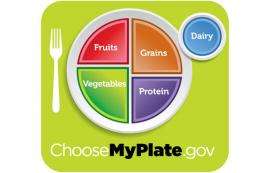
Comparing the Harvard Healthy Eating Plate with the USDA’s MyPlate shows the shortcomings in the government’s guide. MyPlate does not tell consumers that whole grains are better for health than refined grains; its protein section offers no indication that some high-protein foods — fish, poultry, beans, nuts — are healthier than red meats and processed meats; it is silent on beneficial fats; it does not distinguish between potatoes and other vegetables; it recommends dairy at every meal, even though there is little evidence that high dairy intake protects against osteoporosis but substantial evidence that high intake can be harmful; and it says nothing about sugary drinks. Finally, the Healthy Eating Plate reminds people to stay active, an important factor in weight control, while MyPlate does not mention the importance of activity.
The Healthy Eating Plate shows that a plant-based diet rich in vegetables, whole grains, healthy fats, and healthy proteins lowers the risk of weight gain and chronic disease. Helping Americans get the best possible nutrition advice is of critical importance as the U.S. and the world face a burgeoning obesity epidemic. Currently, two in three adults and one in three children are overweight or obese in the U.S.
“We want people to use this as a model for their own healthy plate or that of their children every time they sit down to a meal—either at home or at a restaurant,” said Eric Rimm, associate professor of epidemiology and nutrition at HSPH and a member of the 2010 U.S. Dietary Guidelines Advisory Committee.
The sections of the Healthy Eating Plate include:
Vegetables: Eat an abundant variety, the more the better. Limited consumption of potatoes is recommended, however, as they are full of rapidly digested starch, which has the same roller-coaster effect on blood sugar as refined grains and sweets. In the short-term, these surges in blood sugar and insulin lead to hunger and overeating, and in the long term, to weight gain, type 2 diabetes, heart disease, and other chronic disorders.
Fruits: Choose a rainbow of fruits every day.
Whole grains: Choose whole grains, such as oatmeal, whole wheat bread, and brown rice. Refined grains, such as white bread and white rice, act like sugar in the body. Eating too many refined grains can raise the risk of heart disease and type 2 diabetes.
Healthy proteins: Choose fish, poultry, beans, or nuts, which contain healthful nutrients. Limit red meat and avoid processed meats, because eating even small quantities of these on a regular basis raises the risk of heart disease, type 2 diabetes, colon cancer, and weight gain.
Healthy oils: Use olive, canola, and other plant oils in cooking, on salads, and at the table, because these healthy fats reduce harmful cholesterol and are good for the heart. Limit butter and avoid trans fat.
Water: Drink water, tea, or coffee (with little or no sugar). Limit milk and dairy (1-2 servings per day), and juice (1 small glass a day), and avoid sugary drinks.
The sizes of the sections suggest approximate relative proportions of each of the food groups to include on a healthy plate. They are not based on specific calorie amounts, and they are not meant to prescribe a certain number of calories or servings per day, because these numbers vary from person to person. The aim of the Healthy Eating Plate is to illustrate one way to put together a healthy meal that fits within the guidelines of the Healthy Eating Pyramid, which was created by nutrition experts at HSPH in 2001 and updated in 2008. (Read about the Healthy Eating Pyramid on the HSPH Nutrition Source website.)
“One of the most important fields of medical science over the past 50 years is the research that shows just how powerfully our health is affected by what we eat. Knowing what foods to eat and in what proportions is crucial for health. The evidence-based Healthy Eating Plate shows this in a way that is very simple to understand,” said Anthony Komaroff, professor of medicine at Harvard Medical School and editor in chief of Harvard Health Publications.
To download a pdf of the Healthy Eating Plate.
This story is published courtesy of the Harvard Gazette, Harvard University’s official newspaper. For additional university news, visit Harvard.edu.


