Henry Ford Hospital first in United States to offer MKTP surgery as treatment option for vitiligo

Henry Ford Hospital is the first in the country to offer skin transplant surgery as part of its treatment portfolio for patients with the skin disease vitiligo.
The surgery, known as melanocyte-keratinocyte transplantation or MKTP, involves using skin cells taken from normally pigmented areas of the body and transferring them to the damaged area of skin to restore pigmentation. It is performed under local anesthesia as an outpatient procedure.
Patients who underwent the surgery as part of a 2010 research study at Henry Ford achieved striking results.
MKTP is a promising treatment option for vitiligo, which causes the skin to lose color and develop white patches that vary in size and location. It affects about one in every 200 people in the United States, and is more noticeable in people with darker skin. The late Michael Jackson and actor Jon Hamm of Mad Men are two notable celebrities to have vitiligo.
Henry Ford senior staff dermatologist Iltefat Hamzavi, M.D., says MKTP may be the most effective treatment to date for a segment of the more than 2 million patients living with vitiligo and the emotional side effects that accompany it.
"MKTP gives new hope to these patients," Dr. Hamzavi says. "First, it restores pigmentation to the skin; second, it gives patients' self-confidence a boost."
"You no longer have to be self-conscious about it," says Adil Siddiqui, 23, an electrical engineer and a resident of Canton who underwent MKTP for restoring pigment to patches around his lips. A topical cream initially prescribed had modest effectiveness.
MKTP is offered at Henry Ford's Vitiligo Treatment Center, which is part of the Multicultural Dermatology Clinic in the Department of Dermatology. Patients may call 313-916-1618 to make an appointment or visit http://www.henryford.com/vitiligo for more information.
Currently, the procedure is not covered by insurance and the cost is dependent on the size of the treatment area. For an area less than 25 cubic centimeters, or about less than one inch by one inch, the cost is $3,500. Cost for an area of 25-100 cubic centimeters is $4,000. Cost includes the procedure, office visits and post-surgical dressings.
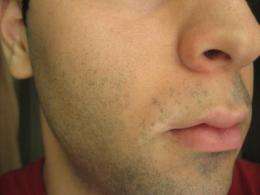
Dr. Hamzavi is among three board-certified dermatologists trained to perform MKTP. They use the same technique developed by MKTP pioneer Sanjeev Mulekar, M.D., of the National Vitiligo Center in Saudi Arabia.
MKTP is among multiple treatment options available at Henry Ford for treating vitiligo, which currently has no cure. These include topical medications, light therapy, depigmentation and skin grafting. Ideal candidates for MKTP are adults and children whose vitiligo patches have not increased in size and no new patches formed in at least six months.
The results of Henry Ford's research study, published online in August in the Journal of the American Academy of Dermatology, illustrate the potential of MKTP as a viable treatment option. Twenty-three patients regained on average 45 percent of their natural skin color. Ten patients with a specific type of vitiligo regained on average 65 percent of their skin color.
Dr. Hamzavi also says MKTP is "well-suited" for treating patients with burn-related injuries.
"MKTP provides a pigment reservoir where there is none and burn patients are ideal for this surgery because their immune system will not reject the transplanted skin cells," he says.
During MKTP, melanocyte cells, which produce pigment in the skin, hair and eyes, are harvested from an area of healthy skin and separated to make a skin cell mixture. This mixture then is applied to the treatment area and covered with a specially developed adhesive biologic dressing. MKTP allows dermatologists to treat the affected area up to 10 times the area of donor skin, Dr. Hamzavi says.
Pigmentation starts to return about two months after surgery and may take up to six months. For patients with fair skin, pigmentation may take longer. Some patients may require additional surgery or other treatment options to enhance their results.


