October 31, 2011 report
Researchers find retrotransposons cause genetic changes in brain cells over time
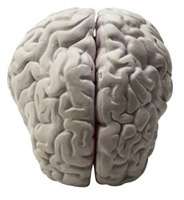
(Medical Xpress) -- Researchers in Scotland have discovered that retrotransposons, a type of gene that inserts itself into other parts of the human genome, are able to continue inserting copies of themselves into the genetic structure of brain cells over the course a person’s entire lifetime. The result is, as Geoffrey Faulkner and his team describe in their article published in Nature, brain cells that are genetically different from other cells in the body and even from one another.
Retrotransposons, are mobile genetic structures, molecules in essence, that make copies of themselves which they somehow inject into other parts of the DNA structure in certain cells. They are believed to make up some forty percent of the entire human genome. The reason they are important is because they result in changes to the genome of some cells, which means those cells are genetically altered, which means they are genetically different from all other cells in body. What’s not known is if this process has some positive healthy effects, or if it’s behind many of the neurological disorders that adversely impact the brain.
The team, from the Roslin Institute in Edinburgh, studied the DNA structure from brain cells from three deceased people who died from non-brain related incidents and who were otherwise normal and healthy; focusing most specifically on the hippocampus and caudate nucleus. In so doing they were able to identify 25,000 areas where there was evidence that retrotransposons had inserted themselves. In addition, they found evidence of three distinct families of retrotransposons, one of which, the Alu family, had never before been seen in the brain.
In studying the samples, the team found that the retrotransposons because of the way their DNA is put together, appeared to copy themselves into other cells that were more amendable to the process. They also found that they copied themselves into the genetic material in cells that make up some of the most important parts of the brain, such as chemical transporters. Also notably, some were found in the genes in some cells that are known to fight tumor growth, leading to speculation that they might in fact contribute to certain types of brain cancers. Adding fuel to that fire were retrotransposons found in cells that regulate proteins in the brain which of course have been linked to all manner of psychiatric ailments such as schizophrenia.
They also found a lot more copying went on in the hippocampus then in the caudate nucleus, something that could lead to speculation regarding the nature of memory and learning in general if the cells in that part of the brain have individualized DNA structures.
This new research is likely to open the door to much more research as it would be very helpful to know if retrotransposons are indeed responsible for many of the brain ailments that thus far have proved to be difficult if not impossible to prevent. If they are, and it turns out they serve no positive purpose, drugs might be developed that stop them from copying themselves, and in the process, curing a whole slew of diseases in one fell swoop.
More information: Somatic retrotransposition alters the genetic landscape of the human brain, Nature (2011) doi:10.1038/nature10531
Abstract
Retrotransposons are mobile genetic elements that use a germline ‘copy-and-paste’ mechanism to spread throughout metazoan genomes. At least 50 per cent of the human genome is derived from retrotransposons, with three active families (L1, Alu and SVA) associated with insertional mutagenesis and disease. Epigenetic and post-transcriptional suppression block retrotransposition in somatic cells, excluding early embryo development and some malignancies. Recent reports of L1 expression and copy number variation in the human brain suggest that L1 mobilization may also occur during later development. However, the corresponding integration sites have not been mapped. Here we apply a high-throughput method to identify numerous L1, Alu and SVA germline mutations, as well as 7,743 putative somatic L1 insertions, in the hippocampus and caudate nucleus of three individuals. Surprisingly, we also found 13,692 somatic Alu insertions and 1,350 SVA insertions. Our results demonstrate that retrotransposons mobilize to protein-coding genes differentially expressed and active in the brain. Thus, somatic genome mosaicism driven by retrotransposition may reshape the genetic circuitry that underpins normal and abnormal neurobiological processes.
© 2011 PhysOrg.com


