Study shows how the breakup of two proteins interferes with the immune system
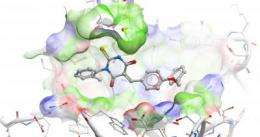
Autoimmune diseases, such as Type I diabetes and rheumatoid arthritis, are caused by an immune system gone haywire, where the body's defense system assaults and destroys healthy tissues. A mutant form of a protein called LYP has been implicated in multiple autoimmune diseases, but the precise molecular pathway involved has been unknown. Now, in a paper published March 18 in Nature Chemical Biology, researchers at Sanford-Burnham Medical Research Institute show how the errant form of LYP can disrupt the immune system. In doing so, they also found a potential new therapy for autoimmune diseases—a chemical compound that appears to inhibit this mutant protein.
T cells and autoimmune disease
In Caucasian populations, a mutated form of LYP (short for lymphoid tyrosine phosphatase) is the third most common single-gene cause of Type 1 diabetes. It ranks second for rheumatoid arthritis.
Researchers have known that LYP and another protein called CSK (C-terminal Src kinase) work cooperatively to keep the immune system's destructive T cells from being activated. Because the uncontrolled activation of T cells is a hallmark of many autoimmune diseases, the proper functioning of LYP with CSK is thought to keep T cells in check.
While the normal form of LYP can bind CSK, the disease-associated mutant LYP cannot. In the new study, Sanford-Burnham researcher Lutz Tautz, Ph.D. led an international group of scientists in showing that normal LYP can disassociate itself from CSK, which paradoxically makes LYP better at dampening the signals that activate T cells. These findings explain why the mutant form of LYP is better at limiting T cell activation than normal LYP.
"It's still a mystery how a protein that impairs T cell signaling causes autoimmunity," said Tautz. "In a simple model of autoimmunity, you would think the opposite."
One possible explanation, Tautz said, is that the mutant LYP weakens the action of regulatory T cells, which control the other type of T cells, the kind that causes autoimmunity.
"If you have regulatory T cells that are not as active because they have inhibited signaling, then they might not be able to do their job properly," Tautz said.
Towards new therapeutics
In their study, the researchers also screened 50,000 drug-like chemical compounds and found 33 that have a specific effect on LYP activity. One compound, called LTV-1, blocked the action of the mutant LYP protein in human T cells. In fact, under physiological conditions, LTV-1 is the most potent LYP inhibitor reported to date.
Tautz said he plans to next develop the LTV-1 compound further, in part by modifying it chemically to make it more effective as a drug. Tests in mice, however, could be problematic because a separate study recently showed that mice with a corresponding LYP mutation don't get sick at all.
Developing new treatments for autoimmune diseases would help millions of people. Overall, autoimmune diseases affect more than 25 million individuals in the United States alone. According to the U.S. Department of Health and Human Services, autoimmune diseases are a leading cause of death and disability.


