Protein-based coating could help rehabilitate long-term brain function
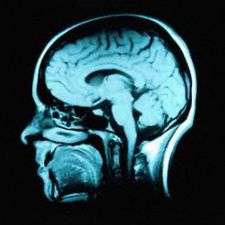
Brain-computer interfaces are at the cutting edge for treatment of neurological and psychological disorder, including Parkinson's, epilepsy, and depression. Among the most promising advance is deep brain stimulation (DBS) — a method in which a silicon chip implanted under the skin ejects high frequency currents that are transferred to the brain through implanted electrodes that transmit and receive the signals. These technologies require a seamless interaction between the brain and the hardware.
But there's a catch. Identified as foreign bodies by the immune system, the brain attacks the electrodes and forms a barrier to the brain tissue, making it impossible for the electrodes to communicate with brain activity. So while the initial implantation can diminish symptoms, after a few short years or even months, the efficacy of this therapy begins to wane.
Now Aryeh Taub of Tel Aviv University's School of Psychological Sciences, along with Prof. Matti Mintz, Roni Hogri and Ari Magal of TAU's School of Psychological Sciences and Prof. Yosi Shacham-Diamand of TAU's School of Electrical Engineering, has developed a bioactive coating which not only "camouflages" the electrodes in the brain tissue, but actively suppresses the brain's immune response. By using a protein called an "interleukin (IL)-1 receptor antagonist" to coat the electrodes, the multi-disciplinary team of researchers has found a potential resolution to turn a method for short-term relief into a long-term solution. This development was reported in the Journal of Biomedical Materials Research.
Limiting the immune response
To overcome the creation of the barrier between the tissue and the electrode, the researchers sought to develop a method for placing the electrode in the brain tissue while hiding the electrode from the brain's immune defenses. Previous research groups have coated the electrodes with various proteins, says Taub, but the TAU team decided to take a different approach by using a protein that is active within the brain itself, thereby suppressing the immune reaction against the electrodes.
In the brain, the IL-1 receptor antagonist is crucial for maintaining physical stability by localizing brain damage, Taub explains. For example, if a person is hit on the head, this protein works to create scarring in specific areas instead of allowing global brain scarring. In other words, it stops the immune system from overreacting. The team's coating, the first to be developed from this particular protein, not only integrates the electrodes into the brain tissue, but allows them to contribute to normal brain functioning.
In pre-clinical studies with animal models, the researchers found that their coated electrodes perform better than both non-coated and "naïve protein"-coated electrodes that had previously been examined. Measuring the number of damaged cells at the site of implantation, researchers found no apparent difference between the site of electrode implantation and healthy brain tissue elsewhere, Taub says. In addition, evidence suggests that the coated electrodes will be able to function for long periods of time, providing a more stable and long-term treatment option.
Restoring brain function
Approximately 30,000 people worldwide are currently using deep brain stimulation (DBS) to treat neurological or psychological conditions. And DBS is only the beginning. Taub believes that, in the future, an interface with the ability to restore behavioral or motor function lost due to tissue damage is achievable — especially with the help of their new electrode coating.
"We duplicate the function of brain tissue onto a silicon chip and transfer it back to the brain," Taub says, explaining that the electrodes will pick up brain waves and transfer these directly to the chip. "The chip then does the computation that would have been done in the damaged tissue, and feeds the information back into the brain — prompting functions that would have otherwise gotten lost."


