New diabetes guidelines may lower patient medical bills
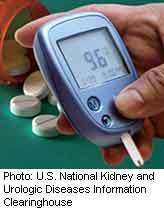
(HealthDay)— New guidelines issued by the American Diabetes Association (ADA) Thursday may reduce the number of people who need to take blood pressure medications, and they may help more people get insurance coverage for testing their blood sugar levels.
"We're constantly looking at the data to try to make our treatment guidelines as personalized and as consistent as possible," said Dr. Robert Ratner, chief scientific and medical officer for the ADA.
And, that's exactly what happened with the ADA's first significant change in this year's guidelines. The ADA is lowering the bar for its systolic blood pressure goal—going from less than 130 millimeters of mercury (mm/Hg) to less than 140 mm/Hg. Systolic blood pressure is the top number in a blood pressure reading.
"The early evidence suggested that greater control of blood pressure in people with diabetes might make more of a difference, so we originally set the guidelines to try to protect people with diabetes. What's changed is that we've had other studies that have been unable to show a benefit from controlling blood pressure tighter than 130/80, so we thought it was unreasonable to suggest that people control to the lower goal," Ratner explained.
By loosening the target goal for blood pressure, people can take fewer medications, which may save them money and prevent unnecessary side effects, according to Ratner.
But, the more attainable blood pressure target shouldn't be interpreted to mean that controlling blood pressure isn't important for people with diabetes. Treating high blood pressure reduces the risk of cardiovascular and kidney diseases, according to the U.S. National Heart, Lung and Blood Institute.
The second significant change in the latest guidelines recommend focusing on a person's needs and treatment goals when determining how often to check blood sugar levels.
In the past, the ADA recommended that people check their blood sugar levels three or more times a day. That recommendation was sometimes misinterpreted to mean that they only needed to check their blood sugar levels three times a day. But, most people with type 1 diabetes—the type that always requires insulin injections or the use of an insulin pump—check their blood sugar more often. And, their needs often change from day to day.
"A number of insurance companies interpreted that as patients only needed three glucose strips a day, but patients on multiple daily injections or insulin pumps have to test before meals and snacks, before bed, before exercise, if they have a low blood glucose and before driving. Many patients need to test six to eight times or more a day," explained Dr. Robert Zimmerman, director of the Cleveland Clinic's Diabetes Center.
"We're trying to individualize the guidelines to meet life circumstances. Many people with type 2 diabetes who are on medications don't need to do home glucose monitoring at all. But, people who use insulin may monitor their glucose levels in excess of eight to 10 times a day. What we're saying is do what you need to do to stay healthy," Ratner said.
In addition to suggesting an individualized level of blood sugar monitoring, the ADA also recommended that people who are on less intensive treatments, such as oral medications, be given education about how to respond to blood sugar numbers.
"For patients who aren't on insulin, self-monitoring has to be linked to education on what to do. Patients need guidance on what to do when the numbers are out of line. Do they need to call their doctor? Change their diet or take medicine? They have to be taught how to utilize the information," Zimmerman said.
Most people with type 1 diabetes, or those with type 2 diabetes who need to take insulin receive education on how to respond to blood sugar numbers. But, for those with type 2 diabetes who are often just on oral medications, education isn't always provided. Zimmerman said that most states mandate diabetes education, but not all do. And, in fact his state, Ohio, is one of the states that doesn't mandate diabetes education, so he welcomes the new recommendation.
The new guidelines will be published in the January 2013 issue of Diabetes Care.
More information: Learn more about type 1 and type 2 diabetes from the U.S. National Institute of Diabetes and Digestive and Kidney Diseases.
Copyright © 2012 HealthDay. All rights reserved.


