Flesh-eating fungal infection can follow natural disasters, study finds
(HealthDay)—After a natural disaster, doctors should be on the lookout for outbreaks of a rare but deadly "flesh-eating" fungal infection, researchers at the U.S. Centers for Disease Control and Prevention reported Wednesday.
That's the lesson, the agency said, from 13 cases of mucormycosis skin infections that struck victims of the Joplin, Mo., tornado last year.
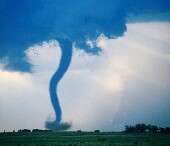
The May 2011 tornado was one of the deadliest in U.S. history, killing almost 160 people and injuring more than 1,000. In the aftermath, doctors found that some victims with serious injuries were developing severe infections that ate away at the skin and underlying soft tissue.
It turned out to be mucormycosis, a fungal infection caused by a group of molds found in soil and decaying matter, such as fallen leaves and rotting wood. The fungus can attack various parts of the body, but skin infections occur when the fungus contaminates a wound.
The cluster of 13 cases in Joplin was a very large one, the CDC reported in the Dec. 6 issue of the New England Journal of Medicine.
"A typical hospital might normally see one case in a year," said senior researcher Dr. Benjamin Park, a medical officer at the CDC's mycotic diseases branch.
All 13 victims, five of whom died, had been in the most severely storm-damaged areas of Joplin. They'd suffered multiple wounds—including penetrating wounds in five people—and most had bone fractures.
Those injuries were also often contaminated with debris from the storm, including gravel, wood and soil.
"Particulate matter was basically blown into them by the tornado," Park explained.
All of the patients had surgery to remove the infected, dead tissue, along with antifungal drugs—though six initially got drugs that are not active against mucormycosis-causing fungi. It's not clear, the CDC team said, whether that made a difference in their outcomes.
"In real time, it's hard to know what you're treating," Park said. So doctors might preemptively start a patient on antibiotics (which fight bacteria) or antifungal drugs before test results are in.
The Missouri outbreak underscores the importance of early testing to get patients the right treatment, Park said.
"We want to raise awareness of this [infection] as a possibility after natural disasters," he added.
Even though mucormycosis-causing fungi are ubiquitous, they rarely cause problems for people, said Dr. Thomas Patterson, chief of the division of infectious diseases at the University of Texas Health Science Center at San Antonio.
Most often, the infection strikes people whose immune systems are compromised, from cancer or drugs used after an organ transplant, for example. And those are typically respiratory infections from inhaled mold spores.
Still, the risk of mucormycosis in healthy people with traumatic injuries has been recognized, noted Patterson, who also is a member of the Infectious Diseases Society of America. And he agreed on the importance of early recognition.
"These infections are very difficult to treat," Patterson said.
But he also noted that for most people injured in a natural disaster, any infections will be bacterial—though those, of course, also can become serious.
"It's important to remember that in these [Joplin] cases, we're talking about people who had extensive injuries," Patterson said.
And because of that, preventing severe injuries during natural disasters should help prevent mucormycosis cases, according to the CDC.
The public can take some steps of its own, Park said. If you live in a tornado-prone area, for example, you can make sure you have a "safe room" or some type of emergency shelter you can get to quickly. You should also be tuned in to your local area's tornado warning system.
More information: Learn more about mucormycosis from the U.S. Centers for Disease Control and Prevention.
Copyright © 2012 HealthDay. All rights reserved.


