Medications
Circadian rhythms can influence drugs' effectiveness
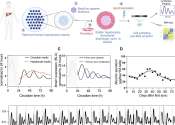
Giving drugs at different times of day could significantly affect how they are metabolized in the liver, according to a new study from MIT.
15 hours ago
0
59
Giving drugs at different times of day could significantly affect how they are metabolized in the liver, according to a new study from MIT.
15 hours ago
0
59
A circadian rhythm is a roughly-24-hour cycle in the biochemical, physiological or behavioral processes of living entities, including plants, animals, fungi and cyanobacteria (see bacterial circadian rhythms). The term "circadian", coined by Franz Halberg, comes from the Latin circa, "around," and diem or dies, "day", meaning literally "approximately one day." The formal study of biological temporal rhythms such as daily, tidal, weekly, seasonal, and annual rhythms, is called chronobiology.
Circadian rhythms are endogenously generated, and can be entrained by external cues, called Zeitgebers, the primary one of which is daylight. These rhythms allow organisms to anticipate and prepare for precise and regular environmental changes.
This text uses material from Wikipedia, licensed under CC BY-SA
