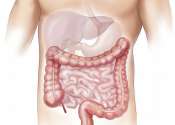
Researchers use atomic force microscopy to decode secrets of our gut
A new technique based on atomic force microscopy was developed at the Institute of Food Research to help 'read' information encoded in the gut lining.
Medical research
Apr 12, 2013 |
4 / 5 (1) |
0
Immune response linked to key enzyme
(Medical Xpress)—A previously unknown function of a family of enzymes familiar to biologists may contribute to scientists' understanding of signaling molecules involved in the body's immune response and ...
Immunology
Apr 12, 2013 |
5 / 5 (3) |
0
|
Teen's death from chickenpox highlights need for vaccination, CDC reports
(HealthDay)—The death from chickenpox of an otherwise healthy 15-year-old Ohio girl should remind parents of the importance of vaccination against the disease, U.S. health officials reported Thursday.
Diseases, Conditions, Syndromes
Apr 11, 2013 |
not rated yet |
0
A novel surface marker helps scientists 'fish out' mammary gland stem cells
Stem cells are different from all other cells in our body because they retain the remarkable genetic plasticity to self-renew indefinitely as well as develop into cell types with more specialized functions. However, this ...
Cancer
Apr 11, 2013 |
4 / 5 (1) |
0
|
Potential therapy for HIV suggested: Blocking key protein boosts body's ability to clear chronic infection
UCLA scientists have shown that temporarily blocking a protein critical to immune response actually helps the body clear itself of chronic infection. Published in the April 12 edition of Science, the findin ...
HIV & AIDS
Apr 11, 2013 |
5 / 5 (1) |
0
|
Study finds interferon, one of the body's proteins, induces persistent viral infection
Scientists at The Scripps Research Institute (TSRI) have made a counterintuitive finding that may lead to new ways to clear persistent infection that is the hallmark of such diseases as AIDS, hepatitis B and hepatitis C.
Medical research
Apr 11, 2013 |
5 / 5 (3) |
0
|
Mast cells have critical role in initializing pulmonary fibrosis
Pulmonary fibrosis is a chronic, deadly disease that affects five million people worldwide. It is irreversible, its cause is poorly understood, and it has a median survival of only about 3 years. A new study ...
Medical research
Apr 11, 2013 |
not rated yet |
0
New findings on the brain's immune cells during Alzheimer's disease progression
The plaque deposits in the brain of Alzheimer's patients are surrounded by the brain's own immune cells, the microglia. This was already recognized by Alois Alzheimer more than one hundred years ago. But ...
Alzheimer's disease & dementia
Apr 11, 2013 |
5 / 5 (1) |
0
Treatment leads to near-normal life expectancy for people with HIV in South Africa
In South Africa, people with HIV who start treatment with anti-AIDS drugs (antiretroviral therapy) have life expectancies around 80% of that of the general population provided that they start treatment before their CD4 count ...
HIV & AIDS
Apr 09, 2013 |
2 / 5 (1) |
0
Shingles vaccine is associated with reduction in both postherpetic neuralgia and herpes zoster
Shingles vaccine is associated with reduction in both postherpetic neuralgia and herpes zoster, but uptake in the US is low.
Diseases, Conditions, Syndromes
Apr 09, 2013 |
not rated yet |
0
New brain cancer treatment may be more effective, less toxic
(Medical Xpress)—A Phase 2 clinical trial testing a new protocol for treating a relatively rare form of brain cancer, primary CNS lymphoma, may change the standard of care for this disease, according to ...
Cancer
Apr 09, 2013 |
not rated yet |
0
|
Tapeworm-linked seizures may be rising in US, doctors say
(HealthDay)—Tapeworm infection in the brain that can trigger seizures is a growing health concern, doctors say.
Neuroscience
Apr 08, 2013 |
not rated yet |
0
|
Month of birth impacts on immune system development
Newborn babies' immune system development and levels of vitamin D have been found to vary according to their month of birth, according to new research.
Neuroscience
Apr 08, 2013 |
4.5 / 5 (2) |
0
Moving cells with light holds medical promise
Scientists at Washington University School of Medicine in St. Louis have shown they can coax cells to move toward a beam of light. The feat is a first step toward manipulating cells to control insulin secretion ...
Medical research
Apr 08, 2013 |
5 / 5 (3) |
0
|
Study reveals how melanoma evades chemotherapy
Nitric oxide (NO), a gas with many biological functions in healthy cells, can also help some cancer cells survive chemotherapy. A new study from MIT reveals one way in which this resistance may arise, and ...
Cancer
Apr 08, 2013 |
5 / 5 (1) |
0
|