HIV & AIDS
Twice-yearly injection cuts HIV risk by 96%, but will cost cut access?
It could be a real breakthrough for people at risk for HIV infection: A shot given every six months that reduces their risk by a whopping 96%.
Sep 13, 2024
0
0
It could be a real breakthrough for people at risk for HIV infection: A shot given every six months that reduces their risk by a whopping 96%.
Sep 13, 2024
0
0

A total of seven individuals worldwide (two patients in Berlin and patients in London, Düsseldorf, New York, City of Hope and Geneva) are considered likely to have been cured or to be in long-term remission of HIV infection ...
Sep 5, 2024
0
2

Researchers at Weill Cornell Medicine and the epigenetics company TruDiagnostic have uncovered DNA markers associated with retroelements, remnants of ancient viral genetic material in our genes that act as highly accurate ...
Aug 19, 2024
0
43

A worrying new study by the American Cancer Society has revealed that generation X and millennials are at more risk of developing many types of cancer than their predecessors. This is in line with a growing body of evidence ...
Aug 11, 2024
0
6

Twice-yearly shots used to treat AIDS were 100% effective in preventing new infections in women, according to study results published Wednesday.
Jul 24, 2024
1
5

A new "vaccine-like" HIV drug that currently costs over $40,000 per person a year could be made for as little as $40, researchers estimated on Tuesday.
Jul 23, 2024
0
54
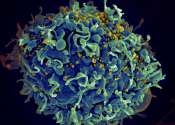
A research team at Georgia State University has developed tiny, potent molecules that are capable of targeting hidden strains of HIV. The source? Antibody genes from llama DNA.
Jul 17, 2024
0
41

A new study, published in the Journal of Experimental Medicine, shows that about 2% of the population develop autoantibodies against type 1 interferons, mostly later in life. This makes individuals more susceptible to viral ...
Jul 17, 2024
0
55

The incidence of vaginal cancer is increasing globally, according to a study published online June 25 in BJOG: An International Journal of Obstetrics and Gynaecology.
Jul 3, 2024
0
0

In a far-reaching effort to understand the factors contributing to HIV transmission among sexual and gender minority (SGM) individuals and improve HIV prevention strategies, a team of scientists at the CUNY Graduate School ...
Jun 27, 2024
0
1
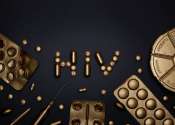
Human immunodeficiency virus (HIV) is a lentivirus (a member of the retrovirus family) that causes acquired immunodeficiency syndrome (AIDS), a condition in humans in which progressive failure of the immune system allows life-threatening opportunistic infections and cancers to thrive. Infection with HIV occurs by the transfer of blood, semen, vaginal fluid, pre-ejaculate, or breast milk. Within these bodily fluids, HIV is present as both free virus particles and virus within infected immune cells. The four major routes of transmission are unsafe sex, contaminated needles, breast milk, and transmission from an infected mother to her baby at birth (perinatal transmission). Screening of blood products for HIV has largely eliminated transmission through blood transfusions or infected blood products in the developed world.
HIV infection in humans is considered pandemic by the World Health Organization (WHO). Nevertheless, complacency about HIV may play a key role in HIV risk. From its discovery in 1981 to 2006, AIDS killed more than 25 million people. HIV infects about 0.6% of the world's population. In 2009, AIDS claimed an estimated 1.8 million lives, down from a global peak of 2.1 million in 2004. Approximately 260,000 children died of AIDS in 2009. A disproportionate number of AIDS deaths occur in Sub-Saharan Africa, retarding economic growth and exacerbating the burden of poverty. An estimated 22.5 million people (68% of the global total) live with HIV in sub-Saharan Africa, which is also home to 90% of the world's 16.6 million children orphaned by HIV. Treatment with antiretroviral drugs reduces both the mortality and the morbidity of HIV infection. Although antiretroviral medication is still not universally available, expansion of antiretroviral therapy programs since 2004 has helped to turn the tide of AIDS deaths and new infections in many parts of the world. Intensified awareness and preventive measures, as well as the natural course of the epidemic, have also played a role. Nevertheless, an estimated 2.6 million people were newly infected in 2009.
HIV infects vital cells in the human immune system such as helper T cells (specifically CD4+ T cells), macrophages, and dendritic cells. HIV infection leads to low levels of CD4+ T cells through three main mechanisms: First, direct viral killing of infected cells; second, increased rates of apoptosis in infected cells; and third, killing of infected CD4+ T cells by CD8 cytotoxic lymphocytes that recognize infected cells. When CD4+ T cell numbers decline below a critical level, cell-mediated immunity is lost, and the body becomes progressively more susceptible to opportunistic infections.
Most untreated people infected with HIV-1 eventually develop AIDS. These individuals mostly die from opportunistic infections or malignancies associated with the progressive failure of the immune system. HIV progresses to AIDS at a variable rate affected by viral, host, and environmental factors; most will progress to AIDS within 10 years of HIV infection: some will have progressed much sooner, and some will take much longer. Treatment with anti-retrovirals increases the life expectancy of people infected with HIV. Even after HIV has progressed to diagnosable AIDS, the average survival time with antiretroviral therapy was estimated to be more than 5 years as of 2005[update]. Without antiretroviral therapy, someone who has AIDS typically dies within a year.
This text uses material from Wikipedia licensed under CC BY-SA
