URMC surgeon is nation's first to implant pacemaker-like device for bowel incontinence
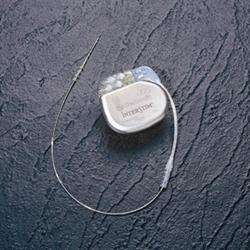
(Medical Xpress) -- Since the technology secured FDA approval this spring, a University of Rochester Medical Center (URMC) surgeon this month became the first in the nation to implant a pacemaker-like device that could help millions of Americans with fecal incontinence regain bowel control and live more normal lives.
Colorectal surgeon Jenny R. Speranza, M.D., placed the device in a patient on June 14 at URMC affiliate Highland Hospital. Speranza serves as director of the Colorectal Physiology Center at Highland Hospital, the only center of its kind within 450 miles to offer a wide array of diagnostic procedures and non-surgical and surgical treatments for fecal incontinence.
With the new system – called InterStim Therapy for Bowel Control – this patient and millions of others have reason to hope. Prior to securing FDA approval as a bowel incontinence therapy in April 2011, the system has been a go-to treatment for urinary incontinence and overactive bladder since 1997. To date, the device has helped more than 95,000 men and women with bowel and urinary incontinence in Europe, Australia, Canada and the U.S.
The system uses an implantable, stopwatch-size stimulator that emits a continuous, mild electrical pulse through a wire, or lead, to stimulate sacral nerves, which in turn strengthen the pelvic floor muscles and sphincter complex.
Before implanting the InterStim neurostimulator, patients participate in a 14-day trial of a wearable, external version to see if the nerve stimulation works for them. If the trial period is successful, a surgeon implants a permanent device under the skin in the lower back (see image above). The patient then can adjust the intensity of electrical pulses – within physician-set limits – via a remote-control.
Speranza’s patient had the temporary device attached on June 3 and experienced significant improvement in her symptoms within days, paving the way for a permanent device to be implanted June 14. She now joins others who have found relief via nerve stimulation; in a recent, multi-site clinical study (the results of which were published last year in the Annals of Surgery) tracking 120 patients with the device for one year, 83 percent of participants experienced a 50 percent or more reduction in bowel incontinence episodes. More remarkably, 40 percent had regained total control, experiencing no incontinence episodes at all. In another randomized, controlled trial comparing InterStim Therapy to optimized medical therapy (the results of which were published in Diseases of the Colon and Rectum), 47 percent of the 60 InterStim patients had regained total control, experiencing no incontinence episodes at all 12 months post-implant.
“Loss of bowel control can be devastating, in many cases significantly disrupting daily life,” said Speranza, an associate professor of both Colorectal Surgery and Oncology at URMC. “Some people stop travelling or going to the gym; others withdraw socially, avoiding family and friends for fear of having an accident. We’re excited to be at the forefront in treating this disorder, offering a new option for so many men and women who are suffering in silence.”
Because patients with bowel incontinence are often reluctant to discuss symptoms with a loved one – or even their physicians – the condition is assumed to be underreported. Experts estimate that as many as 18 million Americans may struggle with uncontrollable leakage of stool, and as many as 2.7 percent of Americans are experiencing symptoms on a weekly basis. Individuals with such incontinence sometimes suffer from other contributing conditions, too – such as chronic constipation, diarrhea, or rectal injury from surgery, radiation treatments, or inflammatory bowel disease. Many are women who develop the condition years after suffering nerve and anal sphincter damage during childbirth.
“Until now, therapy for this troubling disorder has focused on dietary modification, fiber intake adjustments, or medications – or in some cases, more invasive surgical options to repair the sphincter muscles. But these approaches don’t help every patient,” Speranza said. “This new device offers a revolutionary alternative – a minimally invasive, reversible option for many of our patients who have not received benefit from conservative therapies and have continued poor quality of life due to their incontinence.”


