After 20 years, male and female GPs still practice differently
August 15, 2011 in Psychology & Psychiatry

After 20 years, male and female GPs still practise differently

Enlarge

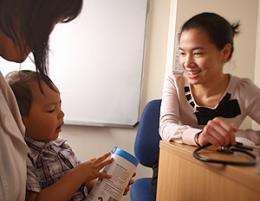
The study found significant differences between male and female GPs in terms of who and what they treat.

University of Sydney research has found female GPs see more female patients and younger patients and are more likely to consult on psychosocial issues than their male counterparts.

The research confirms the findings of a two decades old study that found male and female GPs had different general practice characteristics and managed different types of , and that many of these differences were inherent to GP gender.

The latest study, published in the , has found these differences remain, even though the proportion of GPs who are female has doubled.

Using BEACH data (Bettering the Evaluation And Care of Health) the researchers investigated whether the gender specific differences found 20 years ago remain with today's GPs, or if they levelled out with the increased number of female GPs in the workforce.

The research found that, compared with male GPs, current practicing female GPs are younger and less likely to work as a solo GP. They also see far more and younger than male GPs do, and their patients present with more issues and different types of problems, Christopher Harrison from the University of Sydney's BEACH study said.

"After taking these differences into account, female GPs remain more likely to manage psychosocial, female-specific or problems of a general nature," Mr. Harrison said.

"Moving beyond the previous study, we also found differences in that were inherent to GP gender, with female GPs more often using clinical treatments, pathology tests, referrals and imaging.

"This study shows that, other things being equal, female and male GPs manage different problems and use different management methods - just because of their gender.

"It seems that the Australian general practice workforce is split by GP gender into groups practicing different styles of medicine.

"Further research into how often male and female GPs see their patients in a year is needed to examine whether the higher use of resources per female-GP encounter (through additional tests and referrals) translates to higher or lower resource use overall."

More information: www.mja.com.au/

Provided by University of Sydney

not rated yet  

Rank not rated yet
Relevant PhysicsForums posts

More news stories

US psychiatry gets makeover in new manual

The latest makeover to a massive psychiatric tome honored by some, reviled by others and even called the "Bible" of mental disorders is being released Saturday with a host of new changes.

Psychology & Psychiatry created 4 hours ago | popularity not rated yet | comments 0

Study reviews readmissions in inpatient psychiatric facilities

(HealthDay)—Most Medicare beneficiaries treated in inpatient psychiatric facilities (IPFs) exhibit characteristics associated with hospital readmission, according to a report prepared for the National Association ...

Psychology & Psychiatry created May 17, 2013 | popularity not rated yet | comments 0

Skydiving is never plane sailing

Skydivers show the same level of physical stress before every jump whether a first-timer or experienced jumper, say Northumbria researchers.

Psychology & Psychiatry created May 17, 2013 | popularity not rated yet | comments 0 | with audio podcast

Kids, especially boys, perceive sadness of depressed parents

Children of depressed parents pick up on their parents' sadness—whether mom or dad realizes their mood or not.

Psychology & Psychiatry created May 17, 2013 | popularity 4.5 / 5 (2) | comments 1 | with audio podcast

One in five U.S. kids has a mental health disorder, CDC reports

(HealthDay)—As many as one in five American children under the age of 17 has a diagnosable mental disorder in a given year, according to a new federal report.

Psychology & Psychiatry created May 16, 2013 | popularity 2.2 / 5 (5) | comments 1 | with audio podcast


New research identifies risks, interventions for children's GI health

An increasing number of U.S. children are experiencing gastrointestinal issues that require interventions to resolve, according to research presented at Digestive Disease Week (DDW).

New case of SARS-like virus in Saudi: ministry

A new case of the deadly coronavirus has been detected in Saudi Arabia where 15 people have already died after contracting it, the health ministry announced on Saturday on its Internet website.

AIDS science at 30: 'Cure' now part of lexicon

Big names in medicine are set to give an upbeat assessment of the war on AIDS on Tuesday, 30 years after French researchers identified the virus that causes the disease.

For combat veterans suffering from post-traumatic stress disorder, 'fear circuitry' in the brain never rests

Chronic trauma can inflict lasting damage to brain regions associated with fear and anxiety. Previous imaging studies of people with post-traumatic stress disorder, or PTSD, have shown that these brain regions can over-or ...

New colonoscope provides ground-breaking view of colon

A ground-breaking advance in colonoscopy technology signals the future of colorectal care, according to research presented today at Digestive Disease Week(DDW). Additional research focuses on optimizing the minimal withdrawal ...

Flesh-eating disease victim gets prosthetic hands

(AP)—A woman who lost both hands, her left leg and right foot after contracting a flesh-eating disease has been fitted with prosthetic hands.