Hormone-disrupting chemicals found in many household products: study
(HealthDay) -- Tests of more than 200 common household products found that the products contain chemicals that research suggests may be linked to asthma and hormone disruption, researchers report.
Products tested included a wide range of household products, such as soaps, lotions, detergents, cleaners, sunscreens, air fresheners, kitty litter, shaving cream, vinyl shower curtains, pillow protectors, cosmetics and perfumes.
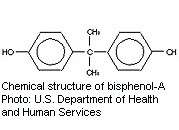
Researchers identified 55 chemicals that studies have shown may have health consequences. Among the chemicals detected were various types of phthalates, which have been linked to reproductive abnormalities and asthma; bisphenol A (BPA), which is being phased out of many baby bottles and children's toys because of concerns about the effect on fetuses and young children; and parabens, which some research suggests may mimic estrogen in the body and have been associated with breast cancer.
"This is the first large, peer-reviewed study looking at hormone-disrupting and asthma-related chemicals in a wide range of consumer products," said study author Robin Dodson, a research scientist at the Silent Spring Institute in Newton, Mass.
The chemicals, however, were not listed on the product labels, which included major brand-name products as well as those marketed as "alternative" products that are often described as fragrance-free, more natural and safer than conventional products.
One or more of the chemicals turned up in all of the conventional product samples tested, and in 32 of 43 alternative products, according to the report.
For each of the categories of conventional products, researchers included several brands. For example, the floor cleaner sample included Spic and Span, Swiffer WetJet Multi-Purpose Cleaner and Stop & Shop Pine Oil Cleaner Disinfectant, while the laundry detergent category included several brands sold by Procter & Gamble, Unilever, Foodhold USA and Church & Dwight, the study authors said.
The study highlights the need for more complete labeling so that consumers know what they're being exposed to, Dodson said.
"These results show we are exposed to a wide range of chemicals of concern in everyday products, and the chemicals aren't always listed on the labels," she said. "That can be a basis for modernizing our chemical policy in the United States. It seems these chemicals are not being adequately tested before being put on the shelf."
The study, titled "Endocrine Disruptors and Asthma-Associated Chemicals in Consumer Products," is published in the March 8 online edition of Environmental Health Perspectives.
Two industry groups, however, took issue with the study conclusions. The research implies that the "mere presence" of the chemicals means the products have safety risks, they said.
"They are alarming consumers unnecessarily," said Brian Sansoni, spokesman for the American Cleaning Institute, an industry association for cleaning product manufacturers. Researchers haven't uncovered evidence that typical use of various household products are contributing to health or safety issues, he said.
"We are disappointed at the research. It wrongly insinuates safety concerns over cleaning products and ignores enhanced efforts to communicate with consumers over ingredients," Sansoni added.
Another industry representative said the research linking certain chemicals with endocrine disruption and asthma is not conclusive.
"It is unfortunate and misleading that the title of this report implies that there is a well-defined link between consumer products and endocrine disruption and asthma, when the study of this issue continues and scientific questions remain unresolved," said Steven Bennett, director of scientific affairs for the Consumer Specialty Products Association.
Manufacturers and others are also taking steps to keep consumers informed about what's in household products, Bennett added. That includes the Consumer Product Ingredient Communication Initiative, a voluntary industry program that took effect in 2010. Participating companies are listing product ingredients on the product label, on websites, or making information available via a toll-free telephone number.
Matt Perzanowski, an associate professor of environmental health science at Columbia University in New York City, said the study will help to raise awareness about how little consumers may know about what's in products they use everyday.
"They're identifying exposures to chemicals that a consumer wouldn't be able to identify, and also showing there is a broad spectrum of these exposures to these chemicals that people use," Perzanowski said.
He noted, however, that research on chemicals and their link to health problems is not conclusive. Most of the studies have been observational, meaning researchers have found associations between certain exposures and health effects, but have not proven causality.
Of all of the chemicals, the association between BPA and endocrine disruption seems to be the strongest, Perzanowski added.
Because of the ubiquity of the consumer products and the chemicals, it's difficult to try to stay away from them, Dodson said. But Silent Spring offers some tips, including:
- choosing products that are plant-based,
- using water, baking soda and vinegar for cleaning,
- wearing hats and cover-ups instead of relying only on sunscreen for sun protection,
- steering clear of cleaning and other products that contain fragrance,
- avoiding vinyl pillow and mattress protectors,
- choosing lotions, deodorants and shampoos that are paraben-free.
More information:
To see the list of products tested, visit the
Silent Spring Institute.
Copyright © 2012 HealthDay. All rights reserved.


