Middle-aged diabetics may need earlier colon checks
(HealthDay) -- Researchers who say they've linked type 2 diabetes with earlier development of precancerous colon lesions recommend people with the blood sugar disorder start colorectal screenings at a younger age than others.
"Based on our data, it implies that people with diabetes should get screenings earlier, possibly at age 40, rather than at age 50," said Dr. Hongha Vu, a clinical gastroenterology fellow at Washington University in St. Louis.
However, another expert said more research is needed before making that recommendation. Also, the researchers cautioned that they can't say for sure that diabetes by itself raises the risk of the precancerous lesions and further study is required.
Experts know that diabetes is linked with an increased risk of colon and other cancers. Vu's team set out to determine if people with diabetes develop precancerous lesions, also called polyps or adenomas, earlier than people without diabetes.
The researchers compared the incidence of polyps in three groups of patients: those 40 to 49 with and without diabetes and those 50 to 59 without diabetes. Each group had 125 people.
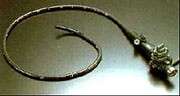
All had colonoscopies between June 2005 and June 2011. In a colonoscopy, a doctor examines the large intestine with a long, thin tube that has a camera at the end. Any polyps found are removed so they can't progress to cancer.
The younger men and women with diabetes had a rate of polyps similar to the older people without diabetes, she found.
"We found that between the three groups, the adenoma detection rate in those 40 to 49 without diabetes was 14.4 percent, whereas it was significantly higher in those with diabetes in the same age range -- at 30.4 percent," she said. "This is a similar rate as those 50 to 59 without diabetes." The 50- to 59-year-olds had a rate of 32 percent, she found.
Vu took into account other risk factors, such as race, obesity and smoking, and still found that those in their 40s with diabetes had a higher rate of polyps.
She is scheduled to present her findings Tuesday at Digestive Disease Week in San Diego.
More than 25 million people in the United States have diabetes, according to the U.S. Centers for Disease Control and Prevention. Most have type 2 diabetes, in which the body doesn't properly use and produce insulin, a hormone needed to convert food into energy. Because diabetes cases are expected to soar in coming decades, partly driven by the obesity epidemic, the researchers believe the findings have important public health implications.
Without insurance, a colonoscopy costs about $1,200 or more.
Dr. John Petrini, past president of the American Society of Gastrointestinal Endoscopy, said the results are intriguing but need to be confirmed in larger studies.
"Is there something about that small group?" he asked. Only future studies can answer that, said Petrini, also a gastroenterologist at Sansum Clinic, Santa Barbara, Calif.
The American Diabetes Association declined to comment on the study. Currently, its standards of care states that diabetes (possibly only type 2) is linked with a higher risk of colorectal and other cancers. It advises those with diabetes to undergo "recommended age- and sex-appropriate cancer screenings and to reduce their modifiable cancer risk factors [obesity, smoking, physical inactivity]."
In 2008, the American College of Gastroenterology updated its guidelines for colorectal cancer screening, which now say current evidence supports a doctor's recommendation to screen earlier than age 50, perhaps age 45, for patients who have "an extreme smoking history or obesity." Many patients with diabetes are also obese.
Digestive Disease Week is sponsored by four societies: American Association for the Study of Liver Diseases; American Gastroenterological Association Institute; American Society for Gastrointestinal Endoscopy, and Society for Surgery of the Alimentary Tract.
Because this research was presented at a medical meeting, the data and conclusions should be viewed as preliminary until published in a peer-reviewed journal.
More information: To learn more about colonoscopy, visit the American Gastroenterological Association.
Copyright © 2012 HealthDay. All rights reserved.


