Perceived stress linked to asthma, atopic disorders
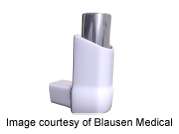
(HealthDay)—Perceived stress correlates with an increased risk of adult-onset asthma, allergic rhinitis, and atopic dermatitis as well as asthma medication use, according to a study published online Sept. 3 in Allergy.
Using data from 9,785 participants from the Copenhagen City Heart Study who were free of atopic disorders at baseline in 1981 to 1983, Naja Hulvej Rod, Ph.D., of the University of Copenhagen in Denmark, and associates examined the association between perceived stress and the risk of adult-onset asthma, allergic rhinitis, atopic dermatitis, and asthma/bronchitis medication use. Patients were followed for first-time hospitalization for asthma until 2010. For 5,648 participants, daily intake of asthma/bronchitis medications and incidence of asthma, allergic rhinitis, and atopic dermatitis were assessed after 10 years of follow-up.
The researchers observed a dose-response association for perceived stress with atopic disorders. Participants with high versus low stress had an increased risk of self-reported asthma (odds ratio [OR], 2.32), daily intake of asthma/bronchitis medications (OR, 2.26), and first-time hospitalization for asthma (OR, 2.01). There was also an increased risk for atopic dermatitis (OR, 1.75) and allergic rhinitis (OR, 1.64), with similar associations seen for smokers and nonsmokers.
"Stress may interfere with several physiologic pathways, and these results emphasize that stress is important in the etiology of asthma and other atopic diseases," the authors write. "Including an assessment of psychosocial factors in the identification of high-risk patients could allow health care professionals to intervene earlier and thereby prevent onset and exacerbation of asthma and other atopic disorders."
More information:
Abstract
Full Text (subscription or payment may be required)
Copyright © 2012 HealthDay. All rights reserved.


