Medical research

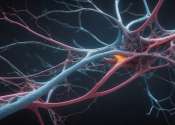
Salt-seeking behavior traced to specific brain neurons

Salt, or more precisely the sodium it contains, is very much a "Goldilocks" nutrient. Low sodium levels cause a drop in blood volume, which can have serious, sometimes deadly, health consequences. Conversely, too much salt ...

Health

Expert discusses surviving a stroke

In the not-so-distant past, doctors treated strokes in an after-the-fact way. A stroke did its damage, and then—if the patient survived—a rehabilitation team stepped in to address the stroke's effects.

Health

All the reasons a cup of coffee really can be good for you

Consuming too much caffeine is definitely bad for your health, and there may be good reasons why some people want to quit it altogether. But if you despair at the idea of giving up your morning coffee, fear not.

Cardiology

'Hidden' irregular heartbeats may raise risk of death

Irregular heartbeats can raise a person's risk of death even when they go unnoticed by traditional heart monitoring, according to a Northwestern Medicine study published in Circulation.

Cardiology

AI may help physicians detect abnormal heart rhythms earlier

An artificial intelligence program developed by investigators in the Smidt Heart Institute and their Cedars-Sinai colleagues can detect a type of abnormal heart rhythm that can go unnoticed during medical appointments, according ...

page 2 from 18