Psychology & Psychiatry

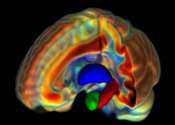
Brain scan study could change how psychosis is treated

The findings of a new brain study could change the way doctors treat mood disorders involving psychosis in patients. The brain imaging study found that changes in brain dopamine are linked to symptoms of psychosis, no matter ...

page 1 from 36

Mood disorder is the term designating a group of diagnoses in the Diagnostic and Statistical Manual of Mental Disorders (DSM IV TR) classification system where a disturbance in the person's mood is hypothesized to be the main underlying feature. The classification is known as mood (affective) disorders in ICD 10.

English psychiatrist Henry Maudsley proposed an overarching category of affective disorder. The term was then replaced by mood disorder, as the latter term refers to the underlying or longitudinal emotional state, whereas the former refers to the external expression observed by others.

Two groups of mood disorders are broadly recognized; the division is based on whether the person has ever had a manic or hypomanic episode. Thus, there are depressive disorders, of which the best-known and most researched is major depressive disorder (MDD) commonly called clinical depression or major depression, and bipolar disorder (BD), formerly known as manic depression and characterized by intermittent episodes of mania or hypomania, usually interlaced with depressive episodes.

This text uses material from Wikipedia licensed under CC BY-SA