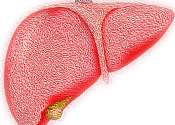
Hepatitis C

Hepatitis C, a leading killer, is frequently undiagnosed but often curable

(Medical Xpress) -- Hepatitis C virus — not AIDS-causing HIV — is the leading chronic virus infection leading to death in the United States, and its victims most often are baby boomers. More than ...

Diseases, Conditions, Syndromes created Feb 24, 2012 | popularity 4 / 5 (2) | comments 0

Hepatitis C kills more Americans than HIV: study

More Americans died in 2007 of hepatitis C infection, which causes incurable liver disease, than from the virus that causes AIDS, US health authorities said this week.

Diseases, Conditions, Syndromes created Feb 23, 2012 | popularity 4.5 / 5 (2) | comments 0

Hepatitis C deaths up, baby boomers most at risk

(AP) -- Deaths from liver-destroying hepatitis C are on the rise, and new data shows baby boomers especially should take heed - they are most at risk.

Diseases, Conditions, Syndromes created Feb 20, 2012 | popularity not rated yet | comments 3

Benefits of hepatitis C treatment outweigh costs for patients with advanced disease

A towering $60,000 bill, a year of fierce, flu-like symptoms and a running risk of depression are among the possible costs of two new hepatitis C treatments. But according to Stanford University health policy researchers, ...

Diseases, Conditions, Syndromes created Feb 20, 2012 | popularity not rated yet | comments 0 | with audio podcast

Vaccine discovered for hep C

(Medical Xpress) -- A University of Alberta researcher and Canada Excellence Research Chair in Virology has made the discovery of a vaccine that will potentially help combat hepatitis C. Michael Houghton, ...

Diseases, Conditions, Syndromes created Feb 16, 2012 | popularity 5 / 5 (17) | comments 0 | with audio podcast

Tenofovir, leading HIV medication, linked with risk of kidney damage

(Medical Xpress) -- Tenofovir, one of the most effective and commonly prescribed antiretroviral medications for HIV/AIDS, is associated with a significant risk of kidney damage and chronic kidney disease that increases over ...

Medications created Feb 13, 2012 | popularity 5 / 5 (1) | comments 0 | with audio podcast

Cell death unleashes full force of human antiviral system

A scientific team led by researchers at the University of Geneva (UNIGE) and the Charite Berlin Medical University has made a completely unprecedented discovery showing how much our immune system is provoked into action when ...

Medical research created Feb 09, 2012 | popularity 5 / 5 (6) | comments 1 | with audio podcast

Stem cells could drive hepatitis research forward

Hepatitis C, an infectious disease that can cause inflammation and organ failure, has different effects on different people. But no one is sure why some people are very susceptible to the infection, while ...

Medical research created Feb 01, 2012 | popularity 5 / 5 (1) | comments 0 | with audio podcast

Drug approved to treat cystic fibrosis' root cause

The first drug that treats the root cause of cystic fibrosis won approval Tuesday, offering a life-changing treatment for a handful of patients with the deadly illness and broader hope for thousands more patients with the ...

Medications created Jan 31, 2012 | popularity 5 / 5 (1) | comments 0

Researchers indentify a cell-permeable peptide that inhibits hepatitis C

Researchers from UCLA's Jonsson Comprehensive Cancer Center have identified a cell-permeable peptide that inhibits a hepatitis C virus protein and blocks viral replication, which can lead to liver cancer and cirrhosis.

Diseases, Conditions, Syndromes created Jan 31, 2012 | popularity not rated yet | comments 0 | with audio podcast

Entry point for hepatitis C infection identified

A molecule embedded in the membrane of human liver cells that aids in cholesterol absorption also allows the entry of hepatitis C virus, the first step in hepatitis C infection, according to research at the University of ...

Diseases, Conditions, Syndromes created Jan 24, 2012 | popularity 4.5 / 5 (2) | comments 0 | with audio podcast

Many high-risk Americans don't get hepatitis B vaccine

Although there is an effective vaccine for hepatitis B and public health officials have a strong sense of who is at highest risk for the infectious liver disease, tens of thousands of people in the United ...

Diseases, Conditions, Syndromes created Jan 19, 2012 | popularity not rated yet | comments 0 | with audio podcast

Combination of oral drugs suppresses common type of hepatitis C

A new combination of investigational drugs successfully suppressed hepatitis C genotype 1 infection in a high percent of patients who had not responded to previous treatment in a study led by a University of Michigan hepatologist.

Diseases, Conditions, Syndromes created Jan 19, 2012 | popularity not rated yet | comments 0 | with audio podcast

Scientists show brain vulnerable to Hepatitis C virus

(Medical Xpress) -- Scientists at the University of Birmingham have demonstrated for the first time that human brain cells can become infected with the Hepatitis C virus (HCV), it is reported today.

Diseases, Conditions, Syndromes created Jan 18, 2012 | popularity 5 / 5 (3) | comments 0

Kidney failure risk higher for liver transplant patients following policy change

Research from the University of Michigan Health System shows the risk for kidney failure among liver transplant recipients is higher following the implementation of Model of End Stage Liver Disease (MELD), a policy change ...

Other created Jan 17, 2012 | popularity not rated yet | comments 0


Hepatitis C is an infectious disease affecting primarily the liver, caused by the hepatitis C virus (HCV). The infection is often asymptomatic, but chronic infection can lead to scarring of the liver and ultimately to cirrhosis, which is generally apparent after many years. In some cases, those with cirrhosis will go on to develop liver failure, liver cancer or life-threatening esophageal and gastric varices.

HCV is spread primarily by blood-to-blood contact associated with intravenous drug use, poorly sterilized medical equipment and transfusions. An estimated 130–170 million people worldwide are infected with hepatitis C. The existence of hepatitis C (originally "non-A non-B hepatitis") was postulated in the 1970s and proven in 1989. It is not known to cause disease in other animals.

The virus persists in the liver in about 85% of those infected. This persistent infection can be treated with medication; peginterferon and ribavirin are the current standard therapy. Overall, between 50–80% of people treated are cured. Those who develop cirrhosis or liver cancer may require a liver transplant. Hepatitis C is the leading cause of liver transplantation though the virus usually recurs after transplantation. No vaccine against hepatitis C is currently available.

This text uses material from Wikipedia and is available under the GNU Free Documentation License.

Latest Spotlight News

Enzyme-activating antibodies revealed as marker for most severe form of rheumatoid arthritis

In a series of lab experiments designed to unravel the workings of a key enzyme widely considered a possible trigger of rheumatoid arthritis, researchers at Johns Hopkins have found that in the most severe ...

Research offers promising new approach to treatment of lung cancer

Researchers have developed a new drug delivery system that allows inhalation of chemotherapeutic drugs to help treat lung cancer, and in laboratory and animal tests it appears to reduce the systemic damage ...

Researchers analyse hunting behaviour of fish larvae in virtual reality

Moving objects attract greater attention – a fact exploited by video screens in public spaces and animated advertising banners on the Internet. For most animal species, moving objects also play a major ...

Overeating learned in infancy, study suggests

In the long run, encouraging a baby to finish the last ounce in their bottle might be doing more harm than good.

Study details genes that control whether tumors adapt or die when faced with p53 activating drugs

When turned on, the gene p53 turns off cancer. However, when existing drugs boost p53, only a few tumors die – the rest resist the challenge. A study published in the journal Cell Reports shows how: tumors that live even i ...

Researchers complete largest genetic sequencing study of human disease

Researchers from Queen Mary, University of London have led the largest sequencing study of human disease to date, investigating the genetic basis of six autoimmune diseases.

Slowing the aging process—only with antibiotics

Swiss scientists reveal the mechanism responsible for aging hidden deep within mitochondria—and dramatically slow it down in worms by administering antibiotics to the young.

Taming suspect gene reverses schizophrenia-like abnormalities in mice

Scientists have reversed behavioral and brain abnormalities in adult mice that resemble some features of schizophrenia by restoring normal expression to a suspect gene that is over-expressed in humans with ...

Scientists uncover molecular roots of cocaine addiction in the brain

Researchers at Johns Hopkins have unraveled the molecular foundations of cocaine's effects on the brain, and identified a compound that blocks cravings for the drug in cocaine-addicted mice. The compound, already proven safe ...

Research shows how immune system peacefully co-exists with 'good' bacteria

The human gut is loaded with commensal bacteria – "good" microbes that, among other functions, help the body digest food. The gastrointestinal tract contains literally trillions of such cells, and yet the ...