A break for bone disease research
July 29, 2011 in Genetics
A break for bone disease research

Enlarge

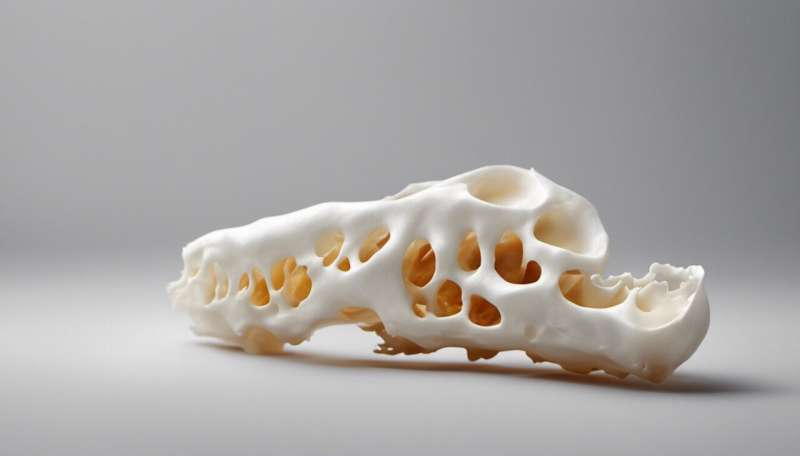
Figure 1: In the Japanese population a specific gene is linked to osteoporosis that can lead to broken bones in the elderly. Credit: 2011 iStockphoto/lisegagne

Osteoporosis is the reduction in bone strength that occurs during aging, which increases the chance of elderly people experiencing breaks. A genome-wide association study in the Japanese population has revealed that a genomic variant within a newly identified gene, which the discoverers have named FONG, enhances susceptibility to osteoporosis.

Led by Shiro Ikegawa of the RIKEN Center for Genomic Medicine, the researchers began by examining the entire genomes of 190 Japanese individuals with osteoporosis and 1,557 controls. Based on the results of this initial study, they focused on 3,000 single nucleotide changes in the genomes of an additional 526 individuals with osteoporosis and 1,537 controls. Additional analyses in two further population samples led to the identification of the genomic variant, found on chromosome 2; however, there was no known gene around the variant. Instead, the researchers found only representations of portions of expressed in the form of several expressed sequence tags.

By analyzing messenger RNAs (mRNAs) expressed from the genomic region around the variant, Ikegawa and colleagues discovered that the genomic variant is within FONG, which stands ‘formiminotransferase N-terminal sub-domain containing gene’. This previously unknown gene is expressed in various human tissues, including bone. Because the genomic variant resides outside of the FONG protein-coding region, Ikegawa and colleagues hypothesized that the variant may somehow affect the expression levels of the FONG gene. 

One domain of the FONG gene, the formiminotransferase N-terminal sub-domain, is common in many different species, which indicates that it could have a very important function for maintaining life. “This domain appears to be an enzyme that is responsible for converting the amino acid histidine to the amino acid glutamic acid,” says Ikuyo Inaba (nee Kou), a researcher in Ikegawa’s laboratory and the first author of the study. 

Glutamic acid and its breakdown products are known to play an important role in maintaining the bones, so any problems with the creation of these compounds may lead to osteoporosis. “The glutamic acid signaling pathway may also affect osteoporosis risk in non-Japanese individuals,” she explains. “So, the association of this variant of the FONG gene with disease in other populations is worth investigating in the future.”

According to Inaba, further work is needed to determine how the osteoporosis-linked variant of the FONG gene can affect its expression. The identification of this variant in FONG—and its link to —can aid in the development of new therapies for this disease.

More information: Kou, I., et al. Common variants in a novel gene, FONG on chromosome 2q33.1 confer risk of osteoporosis in Japanese. PLoS ONE e19641 (2011). doi:10.1371/journal.pone.0019641

Provided by RIKEN search and more info website

not rated yet  

Rank not rated yet
Related Stories
Relevant PhysicsForums posts

More news stories

'Personality genes' may help account for longevity

"It's in their genes" is a common refrain from scientists when asked about factors that allow centenarians to reach age 100 and beyond. Up until now, research has focused on genetic variations that offer a physiological advantage ...

Genetics created 17 hours ago | popularity 3 / 5 (1) | comments 0 | with audio podcast

Gene discovery points towards non-hormonal male contraceptive

A new type of male contraceptive could be created thanks to the discovery of a key gene essential for sperm development.

Genetics created 17 hours ago | popularity 5 / 5 (5) | comments 0 | with audio podcast

Key gene found responsible for chronic inflammation, accelerated aging and cancer

Researchers at NYU School of Medicine have, for the first time, identified a single gene that simultaneously controls inflammation, accelerated aging and cancer.

Genetics created 22 hours ago | popularity not rated yet | comments 0

Knowing genetic makeup may not significantly improve disease risk prediction

Harvard School of Public Health (HSPH) researchers have found that detailed knowledge about your genetic makeup—the interplay between genetic variants and other genetic variants, or between genetic variants and environmental ...

Genetics created 22 hours ago | popularity 2 / 5 (1) | comments 0 | with audio podcast

Male fertility genes discovered

A new study has revealed previously undiscovered genetic variants that influence fertility in men. The findings, published by Cell Press on May 24th in the American Journal of Human Genetics, shed much-needed light on hum ...

Genetics created 22 hours ago | popularity not rated yet | comments 0 | with audio podcast


Physicians definitively links irritable bowel syndrome and bacteria in gut

An overgrowth of bacteria in the gut has been definitively linked to Irritable Bowel Syndrome in the results of a new Cedars-Sinai study which used cultures from the small intestine. This is the first study to use this "gold ...

First study to suggest that the immune system may protect against Alzheimer's changes in humans

Recent work in mice suggested that the immune system is involved in removing beta-amyloid, the main Alzheimer's-causing substance in the brain. Researchers have now shown for the first time that this may apply in humans.

Phone contact with nurses linked with better outcomes for women with gestational diabetes

Among women with gestational diabetes mellitus, referral to a telephone-based nurse management program was associated with lower risk of high baby birth weight and increased postpartum glucose testing, according to Kaiser ...

WHO target to cut early chronic illness deaths

The World Health Organization announced on Friday it was set to approve a new target to reduce premature deaths from chronic illnesses such as heart disease by a quarter by 2025.

Of mice and mental models: Neuroscientific implications of risk-optimized behavior in the mouse

(Medical Xpress) -- Regardless of an organism’s biological complexity, every encephalized animal continuously makes under-informed behavioral choices that can have serious consequences. Despite its ubiquity, ...

Questionable research practices surprisingly common

(Medical Xpress) -- Not all scientific misconduct is flat-out fraud. Much falls into the murkier realm of “questionable research practices.” A new study finds that in one field, psychology, these practices are surprisingly ...