U.S. tuberculosis cases hit record low, CDC says
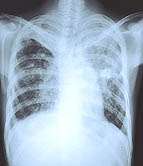
(HealthDay) -- Tuberculosis rates fell to an all-time low in the United States in 2011, but the disease continues to disproportionately infect racial and ethnic minorities, those who are foreign-born and people infected with HIV, federal officials reported Thursday.
In all, 10,521 tuberculosis (TB) cases were reported in the United States in 2011, a 6.4 percent drop from 2010 -- to 3.4 cases per 100,000 people. Still, infection rates were seven times higher for Hispanics, eight times higher for blacks and 25 times higher for Asians than for whites, the researchers found.
"Despite the fact that TB is declining it is important to be vigilant about TB and the hardest-hit communities," said report co-author Dr. Gloria Oramasionwu, an Epidemic Intelligence Services Officer with the U.S. Centers for Disease Control and Prevention.
"But, if TB control measures aren't maintained here and internationally, there is a possibility we could see an increase in TB," she said.
Asians now have the highest number of TB cases, surpassing Hispanics, according to the report published in in the March 23 issue of the CDC's Morbidity and Mortality Weekly Report (MMWR).
The study, released to coincide with World TB Day, also found that the TB rate was 12 times higher among those born outside the United States.
Tuberculosis is caused by germs spread through the air from person to person. It typically affects the lungs, but can also target other organs and body parts, such as the brain, the kidneys or the spine. Left untreated, the disease can be fatal, according to the CDC.
Typical symptoms include feelings of sickness or weakness, weight loss, fever and night sweats. Symptoms of TB disease of the lungs also include coughing, chest pain and coughing up of blood, the agency said.
TB is of particular risk to people with HIV. Some 8 percent of people with TB are also infected with HIV, the CDC noted.
Drug-resistant TB is a worldwide problem, representing about 1.3 percent of all cases of TB. In 2010, 109 cases of multidrug-resistant TB were reported to the CDC, as were four cases of extensively drug-resistant TB reported in 2011, Oramasionwu said.
To prevent an increase in drug-resistant TB, a better test to diagnose it is needed, so treatment can begin quickly, Oramasionwu added.
For people with drug-resistant tuberculosis, it usually takes 18 months of treatment with drugs that are more toxic, less effective and more expensive than the drugs used to treat drug-sensitive TB, the CDC said. For regular TB, treatment usually lasts about six months.
Although the decline in TB cases continues, the CDC had hoped to eliminate it by 2010.
"Our goal is to eradicate TB," Oramasionwu said. "We are not there yet. If we continue doing the same things we are doing currently, we are not on track to eliminate TB before 2100," she said.
Eliminating TB is defined as no more than one case per 1,000,000 people. But, the current rate is much higher than that. When the elimination goal was set in 1989, the impact of HIV and drug-resistant tuberculosis wasn't taken into account, according to the agency.
The CDC wants to increase its efforts to shorten the time to reach that goal, Oramasionwu said. To do this, better diagnosis and treatment are needed. she added.
"We didn't get where we wanted to in eliminating TB," said Dr. Gordon Dickinson, a professor in the Division of Infectious Diseases at the University of Miami Miller School of Medicine and the Miami VA Medical Center.
"That's because we are a nation of immigrants," he said. "While we have lowered the rates of TB among those born here, there is still a significant rate among those who come here."
In fact, 62.5 percent of people with TB were foreign-born, Oramasionwu said.
"There is good news and bad news in the TB world," Dickinson added.
The bad news is there is a growing number of drug-resistant TB cases in various hotspots around the world including Eastern Europe, Asia and Africa, he said. "This is particularly alarming and of concern because the current treatments used to treat latent TB don't treat these strains," he said.
"The good news is there is increasing emphasis worldwide on TB, and that's beginning to pay off," Dickinson said. In addition, there are drugs under development that will be an important for treating TB, he said.
In another study in the same issue of MMWR, researchers report on a large outbreak of TB among homeless people in Kane County, Ill.
"Despite the overall decline of TB in the Unites States we continue to experience outbreaks," report co-author Dr. Krista Powell, a CDC Epidemic Intelligence Services Officer, said. "Although we have made progress to eliminate TB we need to retain the ability to respond to outbreaks."
The outbreak occurred in 2007 to 2011 in a homeless shelter. As of September 2011, there were 28 cases among people who had spent a night in the shelter, the CDC reported.
"TB outbreaks among homeless persons are particularly problematic, because it can be difficult to locate or contact these individuals in order to evaluate and provide the lengthy treatment to those who need it. Additionally, certain factors common in this population, such as alcohol use and congregation in crowded shelters, can increase TB risk," the agency says.
In this case, drinking at two bars was also linked to the outbreak, indicating the disease was not just spread at the shelter, according to the report.
The outbreak may be ongoing, Powell said. "The last case that was identified for this outbreak was in December 2011," she said.
More information: For more about tuberculosis, visit the U.S. Centers for Disease Control and Prevention.
Copyright © 2012 HealthDay. All rights reserved.


