White matter structural changes ID'd in children with T1DM
September 17, 2012 in Diabetes

White matter structural changes ID'd in children with T1DM

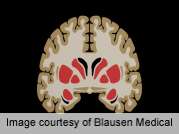
Children with type 1 diabetes have significant structural differences in the white matter of their brain compared to healthy children, which correlates with hemoglobin A1c values, according to a study published online Sept. 10 in Diabetes Care.

(HealthDay)—Children with type 1 diabetes have significant structural differences in the white matter of their brain compared to healthy children, which correlates with hemoglobin A1c (HbA1c) values, according to a study published online Sept. 10 in Diabetes Care.

To examine clinical correlates of cognitive abilities and white matter microstructural changes in young children with diabetes, Tandy Aye, M.D., from the Stanford University School of Medicine in California, and colleagues used (DTI) scans and neurocognitive testing from 22 children (ages 3 to 10 years) with type 1 diabetes and 14 matched, healthy controls.

The researchers found that children with type 1 diabetes had significantly lower axial diffusivity (AD) values in the temporal and parietal lobe regions, compared with healthy controls. For fractional anisotropy and radial diffusivity (RD) there were no significant differences between the groups. There was a significant, positive correlation between time-weighted HbA1c and RD within the diabetes group. A higher, time-weighted HbA1c value also correlated with reduced overall intellectual functioning.

"Children with had significantly different white matter structure (as measured by AD) when compared with controls," the authors write. "In addition, white matter structural differences (as measured by RD) were significantly correlated with their HbA1c values."

More information: Abstract
Full Text (subscription or payment may be required)

Journal reference: Diabetes Care search and more info website

Copyright © 2012 HealthDay. All rights reserved.

not rated yet  

Rank not rated yet
Relevant PhysicsForums posts

More news stories

Exercise prevents fructose-induced hypertriglyceridemia

(HealthDay)—Moderate aerobic exercise prevents fructose-induced hypertriglyceridemia in healthy males, according to a study published online May 14 in Diabetes.

Diabetes created May 17, 2013 | popularity 5 / 5 (1) | comments 0 | with audio podcast

DNA variant affects diabetes risk and treatment response

A DNA variant near a digestive enzyme does not only affect risk of developing diabetes but also affects the response to treatment, an international consortium of researchers including the University of Dundee has found.

Diabetes created May 17, 2013 | popularity not rated yet | comments 0 | with audio podcast

The artificial pancreas that keeps tabs on sugar

(Medical Xpress)—Development of a sophisticated artificial pancreas holds potential to transform the lives of patients with Type 1 diabetes.

Diabetes created May 16, 2013 | popularity 5 / 5 (1) | comments 0 | with audio podcast

Study findings significant for treating infections in Type 1 diabetes

A small University at Buffalo study has found for the first time that in Type 1 diabetics, insulin injections exert a strong anti-inflammatory effect at the cellular and molecular level, while even small amounts of glucose ...

Diabetes created May 16, 2013 | popularity not rated yet | comments 0

Hospital hypoglycemia rates up in black men with diabetes

(HealthDay)—Home diabetes regimens partially explain the increased risk of having a hypoglycemia event during hospitalization among older African-American men with diabetes, according to a study published ...

Diabetes created May 14, 2013 | popularity not rated yet | comments 0


Consuming coffee linked to lower risk of detrimental liver disease, study finds

Regular consumption of coffee is associated with a reduced risk of primary sclerosing cholangitis (PSC), an autoimmune liver disease, Mayo Clinic research shows. The findings were being presented at the Digestive Disease ...

Ketamine shows significant therapeutic benefit in people with treatment-resistant depression

Patients with treatment-resistant major depression saw dramatic improvement in their illness after treatment with ketamine, an anesthetic, according to the largest ketamine clinical trial to-date led by researchers from the ...

Research examines new methods for managing digestive health

Research presented at Digestive Disease Week (DDW) explores new methods for managing digestive health through diet and lifestyle.

New smartphone application improves colonoscopy preparation

The use of a smartphone application significantly improves patients' preparation for a colonoscopy, according to new research presented today at Digestive Disease Week (DDW). The preparation process, which begins days in ...

New research identifies practice changes to improve value and quality of GI procedures

There are significant cost and risk factors associated with two procedures commonly used to diagnose or treat gastrointestinal problems, according to research presented at Digestive Disease Week (DDW).

New research identifies risks, interventions for children's GI health

An increasing number of U.S. children are experiencing gastrointestinal issues that require interventions to resolve, according to research presented at Digestive Disease Week (DDW).