Precautions for hantavirus urged when opening, cleaning hunting camps
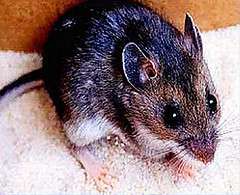
As people head out to deer camps or cabins this fall, they may want to take some precautions to safeguard themselves against a potentially fatal virus that sickened nine and killed three in California's Yosemite National Park this past summer, warned an expert in Penn State's College of Agricultural Sciences.
Hantavirus has killed several Pennsylvania residents over the years, said David Wolfgang, extension veterinarian and field studies director in Veterinary and Biomedical Sciences. And he emphasized that caution—but not panic—is warranted.
Hantavirus first was diagnosed in the United States in the Four Corners area shared by New Mexico, Arizona, Colorado and Utah in 1993, when several young adults complained of acute respiratory distress and about half soon died.
Before this year, according to the U.S. Centers for Disease Control and Prevention, a total of 587 cases of hantavirus pulmonary syndrome (HPS) were reported in the United States. Of these, 556 cases occurred following the initial identification of HPS in 1993, and 31 cases were identified retrospectively. About 36 percent of all reported cases have resulted in death.
HPS is a serious, acute lung disease that causes the lungs to fill with fluid, Wolfgang explained. While there have been only a few cases reported in Pennsylvania more than a decade ago, it is wise to be careful when cleaning out hunting camps and cabins.
"Several species of wild rodents, such as the deer mouse and the white-footed mouse, have been linked to the virus," he said. "You could be at risk when opening or cleaning a hunting camp or cabin—that may put you in contact with rodent droppings, urine or nesting materials.
"Because the virus enters the lungs through contaminated dust, you should avoid touching rodent droppings and actions that would raise dust."
The Centers for Disease Control website lists recommendations for hantavirus prevention and control at www.cdc.gov/ncidod/diseases/ha … noframes/prevent.htm.
"They are simple precautions that most of us already follow in cleaning our homes," Wolfgang said.
The CDC advises taking the following steps:
- Exclude rodents from cabins and camps by blocking holes and filling cracks.
- Wash all dishes and utensils with hot soapy water, and store food in rodent-proof containers.
- Make sure bedding, pillows and sleeping bags are clean, and launder them prior to use if they might have been contaminated by rodents.
- Air out buildings for at least 30 minutes before you start cleaning, and wear rubber gloves. Spray all materials or surfaces, wetting thoroughly, where droppings and urine are suspected with a general purpose disinfectant. For large areas, use a 10 percent household laundry bleach solution (1-1/2 cups of bleach per gallon of water). Pick up the wet material with a damp towel, or gently sweep it into a dust pan. Following this, mop or wipe the area with disinfectant.
Sleeping on the floor or near a wall that might have housed rodents is also a risk factor, Wolfgang cautioned. "Those areas should be thoroughly cleaned prior to sleeping with your face close to potentially contaminated surfaces," he said.
When finished cleaning, bury, burn or dispose of cleaning materials in a proper manner. Disinfect your gloves before removing them, and then wash your hands with soap and warm water.
"The symptoms of the disease are nonspecific and include fever, fatigue and muscle aches," Wolfgang said. "Patients also may experience headaches, dizziness, chills and abdominal problems. Symptoms may begin one to five weeks after exposure."
In later stages—four to 10 days later—patients experience coughing and shortness of breath, according to Wolfgang, who noted, "If symptoms occur, check with your physician and mention that you may have been exposed to rodent contamination."
For more information about the hantavirus or prevention methods, Wolfgang recommended the CDC's website on the hantavirus at www.cdc.gov/ncidod/diseases/hanta/hps/ .
"The disease is rare," he added. "But it is important that people are aware of the potential when they clean out cabins or hunting camps."


