Antiseptic products can be contaminated, study says
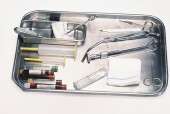
(HealthDay)—Antiseptics are meant to keep bacteria and other pathogens from entering the body through breaks in the skin, but sometimes these products can be contaminated with the very organisms they're supposed to guard against, new research shows.
In the Dec. 6 issue of the New England Journal of Medicine, scientists from the U.S. Food and Drug Administration detail recent outbreaks that have occurred in products such as single-use alcohol swabs and pre-surgery antiseptics.
"It is important that health care providers be aware that topical antiseptic products, if contaminated, pose a risk of infection and that particular microbes isolated from clinical specimens have been traced to the contamination of such products," the FDA experts wrote in the report.
How can products that are supposed to kill germs contain germs?
"Nothing is 100 percent. Bacteria are really diverse and they're adapted to living in different environments," said Dr. Bruce Hirsch, an attending physician in infectious diseases at North Shore University Hospital in Manhasset, N.Y.
However, Hirsch added that he believes the FDA "should require sterilized manufacturing whenever possible."
Currently, companies that produce antiseptic products aren't required to manufacture these products in sterile environments.
The regulations surrounding the production of antiseptic products were designed in the 1970s. At the time, it was assumed that antiseptic products didn't need to be produced in a sterile environment, because experts believed that any pathogens present would be killed by the antiseptic.
But, according to the FDA researchers, a number of outbreaks associated with these products have been reported in medical journals and to the U.S. Centers for Disease Control and Prevention. The authors also noted that there are probably more outbreaks related to these products than have been reported, because this method of contamination is quite difficult to detect.
"Sometimes it's really tricky to trace where an organism came from," explained Dr. Mohamed Fakih, medical director of infection prevention and control at St. John Hospital and Medical Center in Detroit. He said that most hospitals use one product to clean the skin before surgery, but even if that product is contaminated, not everyone will get sick from it. And, because everyone—both the sick and healthy—had the same product used on their skin, it's difficult to isolate the antiseptic as the cause of the infection.
In the case of single-use products, such as an alcohol swab, by the time someone has reported an infection, the packaging is gone and can't be tested for contamination, Fakih added.
Contamination of these products can occur during manufacturing or at the point of use, according to previous research. Products that have been found to be contaminated include iodophors (antiseptics that contain iodine), alcohol products, chlorhexidine gluconate (used in hand sanitizers and as a pre-surgical antiseptic), and quaternary ammonium (an antiseptic used to clean surgical and medical procedure equipment).
The FDA is currently reviewing whether or not sterile manufacturing should be mandated for topical antiseptics that are meant to be used on broken skin, such as from injury, medical procedures or surgery. Public hearings on the subject are scheduled for Dec. 12 and Dec. 13.
Fakih said he believes that these products should be manufactured under sterile conditions. If the FDA doesn't mandate sterile manufacturing processes, he said it would be very helpful if they at least mandated that labeling contain information about whether or not the product was manufactured in sterile conditions. He said it's very difficult to find that information right now.
Hirsch said when using these types of products, it's important to remember that "exceptions are exceptions. The products we're using are safe and helpful, and make a positive difference, but there's no 100 percent guarantee."
More information: To learn more about the public hearing on the issue of antiseptic products, visit the U.S. Food and Drug Administration's website.
Copyright © 2012 HealthDay. All rights reserved.


