New clinical trial to test novel approach to treat triple-negative breast cancer
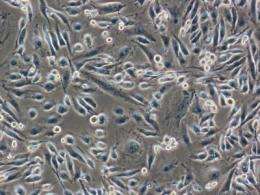
A multicenter clinical trial led by a researcher at the University of Maryland Marlene and Stewart Greenebaum Cancer Center will evaluate a new approach to treat triple-negative breast cancer, an often-aggressive type of cancer that is more common among African-Americans and young women. The study will help researchers determine if an experimental drug, entinostat, can reprogram tumor cells to express a protein called an estrogen receptor to make them sensitive to hormone therapy.
Saranya Chumsri, M.D., an oncologist at the Greenebaum Cancer Center and assistant professor of medicine at the University of Maryland School of Medicine, is the principal investigator of the newly opened National Cancer Institute-funded study. The trial is based on laboratory studies by Angela H. Brodie, Ph.D., an internationally recognized University of Maryland breast cancer researcher, and her colleagues. Their research, recently published in the journal Cancer Research, found that entinostat can cause triple-negative breast cancer cells to become sensitive to a hormone therapy such as an aromatase inhibitor. Dr. Brodie pioneered the development of aromatase inhibitors, a class of breast cancer drugs that reduces the level of estrogen produced by the body, thereby cutting off the fuel to cancer cells.
In this Phase II trial, doctors will treat newly diagnosed postmenopausal patients with entinostat and an aromatase inhibitor called anastrozole (Arimidex) before they have surgery to remove their cancer. Researchers will analyze tissue from the tumor and blood samples to evaluate whether the treatment is effective. After surgery, patients will receive standard treatment, such as chemotherapy and radiation.
"We hope that entinostat will make the tumor cells more sensitive to the drug anastrozole, causing the tumor to shrink or, at the very least, stop growing," Dr. Chumsri says. "For patients with triple-negative breast cancer, chemotherapy is currently the only drug treatment option, and it has a lot of side effects compared to hormone therapies like anastrozole."
Triple-negative breast cancer is unique in that it lacks three common receptors in the cell – estrogen, progesterone or human epidermal growth factor 2 (HER2), which are the targets of drugs widely used today to treat breast cancer. As a result, this cancer can be very difficult to treat; it doesn't respond to therapies that target estrogen and progesterone receptors, such as tamoxifen (Nolvadex), fulvestrant (Faslodex) and aromatase inhibitors (Femara, Arimidex and Aromasin), or to HER2-targeted therapies such as trastuzumab (Herceptin) and lapatinib (Tykerb).
About 15 to 20 percent of breast cancers are triple-negative. For unknown reasons, there is a higher prevalence of this type of breast cancer among African-Americans, young women and women with the BRCA1 gene mutation. African-American women are twice as likely as white women to have this type of cancer, which can be very aggressive and spread to other parts of the body, such as the lungs, liver and brain.
The clinical trial is based on laboratory studies by Dr. Brodie, a professor of pharmacology and experimental therapeutics, and Gauri J. Sabnis, Ph.D., an assistant professor of pharmacology and experimental therapeutics, at the University of Maryland School of Medicine, in collaboration with Saraswati Sukumar, M.S., Ph.D., a professor of oncology and pathology at the Johns Hopkins University School of Medicine. Their research showed that entinostat can sensitize triple-negative breast cancer cells to treatment with an aromatase inhibitor, and when combined with an aromatase inhibitor, also reduce the growth and spread of tumors in animal models.
"Adding to her long list of remarkable achievements, Dr. Brodie has continued her research into aromatase inhibitors, searching for ways to overcome tumors' resistance to treatment," says E. Albert Reece, M.D., Ph.D., M.B.A., vice president of medical affairs at the University of Maryland and dean of the University of Maryland School of Medicine. "This multicenter clinical trial led by Dr. Saranya Chumsri is an excellent example of how our scientists turn discoveries made in the lab into new treatments that may benefit patients."
Entinostat is an oral, selective histone deacetylase (HDAC) inhibitor. This anti-cancer agent is being developed by Syndax Pharmaceuticals, Inc., and is being investigated in other clinical
studies for the treatment of advanced estrogen receptor-positive breast cancer, advanced non-small-cell lung cancer, advanced colorectal cancer and Hodgkin's lymphoma.
Triple-negative breast cancer patients in this clinical trial will take entinostat weekly and anastrozole once daily for two to four weeks while they are waiting to have surgery. Researchers will use blood tests and tissue analysis of tumors to evaluate the effectiveness of the combination therapy.
Researchers hope to enroll a total of 41 patients at 20 sites, including the University of Maryland Greenebaum Cancer Center. The centers involved in the study are affiliated with the University of Chicago Phase II study research consortium and the California Cancer Consortium.
Dr. Chumsri says that if the results of this trial are positive, researchers plan to launch a larger study to test the combination therapy on women whose cancer has metastasized to other parts of the body. "These women have limited treatment options. Hopefully, this treatment would give them a longer period in which their cancer is not progressing, with only minimal side effects compared to chemotherapy," she says.


