Study uses new stem cell therapy in patients up to 19 days after stroke
July 14, 2011 in Medical research

Study uses new stem cell therapy in patients up to 19 days after stroke

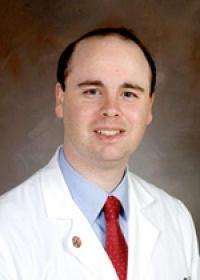
Dr. Sean Savitz of UTHealth is senior investigator of a new study using stem therapy up to 19 days after stroke. Credit: UTHealth

The first Texas patient has been enrolled by researchers at The University of Texas Health Science Center at Houston (UTHealth) in the country's first double-blind clinical trial studying the safety and efficacy of an innovative stem cell therapy that can be given up to 19 days after an ischemic stroke.

The Phase II study, cleared by the , examines a regenerative therapy developed by Aldagen that uses a patient's own bone marrow stem cells. The therapy, called ALD-401, consists of stem cells that are identified using Aldagen's proprietary technology to isolate cells that express high levels of an enzyme that serve as a marker of stem cells.

Studies found that these cells enhance recovery after stroke in mice. The cells are administered into the carotid artery.

"This represents a new approach using stem cells for stroke," said Sean Savitz, M.D., senior investigator for the multi-center study and associate professor of neurology at the UTHealth Medical School. "A major question in the field of is whether we can extend the time window for administering stem cells. A longer window increases the number of patients that might be helped."

Preclinical research, including research at UTHealth, has suggested that stem cells can promote the repair of the brain after an , which is caused by a blood clot in the brain. Stroke is a leading cause of disability and the fourth-leading cause of death in the United States, according to 2008 statistics reported by the .

The Houston resident received either placebo or ALD-401 on June 8 at Memorial Hermann-Texas Medical Center after suffering a stroke May 23 while on a trip to California. Her stroke was caused by previously undiagnosed atrial fibrillation.

"We were waiting for our taxi at the hotel and I immediately couldn't talk and my husband said my face was drooping," said the 67-year-old cosmetics developer. "We were just three blocks from a major trauma center. I had an angel with me because if it had happened two hours later, I would have been on an airplane."

Once back in Houston, she was referred to Savitz' study by Erin Furr-Stimming, M.D., UTHealth assistant professor of neurology, who treats her for Parkinson's disease.

While she doesn't know whether or not she received the stem cells in the double-blind study, she didn't hesitate to join the trial.

"I did a lot of research on stem cells online. I was very excited when I heard about the trial. I wanted to participate in the research for me, if possible, and for other people behind me," she said.

Savitz and his research team are studying other stem cell therapies for acute stroke, and these must be administered within a few days of the . One of those, a safety and efficacy trial using a patient's own bone marrow stem cells administered intravenously, is funded by the National Institutes of Health. UTHealth researchers in the Department of Pediatric Surgery also are studying the use of for pediatric traumatic brain injury.

Provided by University of Texas Health Science Center at Houston search and more info website

not rated yet  

Rank not rated yet
Relevant PhysicsForums posts

More news stories

Antibiotics: A new understanding of sulfonamide nervous system side effects

Since the discovery of Prontosil in 1932, sulfonamide antibiotics have been used to combat a wide spectrum of bacterial infections, from acne to chlamydia and pneumonia. However, their side effects can include serious neurological ...

Medical research created 28 minutes ago | popularity not rated yet | comments 0 | with audio podcast

Scientists discover molecule triggers sensation of itch

Scientists at the National Institutes of Health report they have discovered in mouse studies that a small molecule released in the spinal cord triggers a process that is later experienced in the brain as the sensation of ...

Medical research created 28 minutes ago | popularity 5 / 5 (1) | comments 0 | with audio podcast

Discarded immune cells induce the relocation of stem cells

Spanish researchers have discovered that the daily clearance of neutrophils from the body stimulates the release of hematopoietic stem cells from the bone marrow into the bloodstream, according to a report published today ...

Medical research created 2 hours ago | popularity not rated yet | comments 0

Hormone signal drives motor neuron growth, fish study shows

A discovery made in fish could aid research into motor neuron disease.

Medical research created 2 hours ago | popularity not rated yet | comments 0

First successful treatment of pediatric cerebral palsy with autologous cord blood

Bochum's medics have succeeded in treating cerebral palsy with autologous cord blood. Following a cardiac arrest with severe brain damage, a 2.5 year old boy had been in a persistent vegetative state – with minimal chances ...

Medical research created 2 hours ago | popularity not rated yet | comments 0


Researchers find common childhood asthma unconnected to allergens or inflammation

Little is known about why asthma develops, how it constricts the airway or why response to treatments varies between patients. Now, a team of researchers at Weill Cornell Medical College, Columbia University Medical Center ...

Multiple research teams unable to confirm high-profile Alzheimer's study

Teams of highly respected Alzheimer's researchers failed to replicate what appeared to be breakthrough results for the treatment of this brain disease when they were published last year in the journal Science.

Brain uses internal 'average voice' prototype to identify who is talking

(Medical Xpress)—The human brain is able to identify individuals' voices by comparing them against an internal 'average voice' prototype, according to neuroscientists.

Drug reverses Alzheimer's disease deficits in mice, research confirms

An anti-cancer drug reverses memory deficits in an Alzheimer's disease mouse model, University of Pittsburgh Graduate School of Public Health researchers confirm in the journal Science.

Economic incentives increase blood donation without negative consequences

Can economic incentives such as gift cards, T-shirts, and time off from work motivate members of the public to increase their donations of blood?

Depression common among children with temporal lobe epilepsy

A new study determined that children and adolescents with seizures involving the temporal lobe are likely to have clinically significant behavioral problems and psychiatric illness, especially depression. Findings published ...