Hand hygiene -- clean hands, healthy body
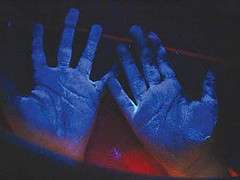
Our hands are one of the chief ways we interact with our environment. Think about what you touch daily – doors, desks, food, other people, pets. Hundreds or thousands of other people have often touched the things we touch, and most of them have hands that are not sterile. People with colds or sore throats touch their mouth and nose, picking up the infectious agents on their hands. Then they transfer the infectious bacteria or virus to the surfaces they touch. Next we come along and get the germs on our own hands, touch our eyes, nose or mouth and soon are infected ourselves.
Making dinner, we handle raw meat and then make the salad, perhaps placing E. coli bacteria on the lettuce and potentially infecting the family. A server in a restaurant coming down with hepatitis could give the virus to dozens of customers if he or she uses improper hygiene.
Health care workers should be well aware of hand hygiene; it’s one of the national patient safety goals for the Joint Commission for Accreditation of Healthcare Organizations (JCAHO). Hospitals are ground zero for potential infections. Doctors, nurses and other health care personnel are supposed to sanitize their hands before and after a patient contact, but with multiple contacts throughout the day, it can easily be missed. Although patients are most susceptible to infectious agents, visitors can both bring them in and take them out.
It’s really fairly simple to keep one’s hands clean; the hard part is remembering to do it. Alcohol gel sanitizers are effective at killing bacteria and viruses, but they work best for hands that are not visibly dirty. Visible dirt should be washed off. Proper hand washing includes soap, but anti-bacterial soap is not recommended. For antibacterial soap to work, the hands must be scrubbed for 10 minutes with a stiff brush like a surgeon before operating. We do not require sterile skin, just clean skin. There is increasing evidence that using antibacterial soap has lead to resistance to the antiseptics in the soaps.
The purpose of soap is not to kill germs; it is to dissolve dirt and float it away with the germs. Hot water is not necessary to be effective, but heat helps the soap to dissolve so it can work. The most important part is time – to work, hands should be lathered together for at least 15 seconds, longer if possible – long enough to sing the “Happy Birthday” song twice.
Here are some simple rules to reduce the risk to you and your family:
1. Wash hands before food preparation and after handling raw meat or fish.
2. Wash hands after using the bathroom.
3. Wash or sanitize hands before touching your eyes, nose or mouth in case you have infectious agents on your hands.
4. Wash hands after handling garbage, dirty diapers, dirty laundry.
5. Wash or sanitize hands before and after any medical contact, such as, cleaning a wound or changing a dressing or caring for a sick child.
6. If you have a cough or cold, wash or sanitize your hands after sneezing or coughing or blowing your nose to reduce the spread of germs to surfaces where others can pick them up. Ideally, cough or sneeze into the crook of your arm, not your hands.
It’s important to keep these admonitions toward cleanliness in perspective, lest we become fearful of our environment. Intact skin is a good barrier. Although tiny breaks in the skin can be a huge portal of entry for bacteria, it takes a while for an infection to set in. If you are working in your yard, or tinkering with the car, or playing contact sports or other activities where you may pick up germs, it’s OK to wait to wash up when you are finished. Be careful not to touch your eyes, nose or mouth until your hands are clean and chances are, you will be fine.
Your children will get an average of eight colds per year for their first several years, and that may be a good thing. Some experts think it helps their immune systems learn to work properly. Teach them to wash up after outside play, before eating, after using the bathroom. But perfect cleanliness is neither possible nor desirable.
Keeping our hands clean is a good habit to develop. It’s not necessary to avoid dirt entirely, but it is important to keep it on the outside where it can’t hurt us.


