Dental pulp stem cells transformed by 'bad breath' chemical
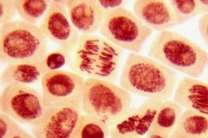
February 26, 2012 in Medical research

Dental pulp stem cells transformed by 'bad breath' chemical

Japanese scientists have found that the odorous compound responsible for halitosis – otherwise known as bad breath – is ideal for harvesting stem cells taken from human dental pulp.

In a study published today, Monday 27 February, in IOP Publishing's Journal of Breath Research, researchers showed that (H2S) increased the ability of adult to differentiate into hepatic (liver) cells, furthering their reputation as a reliable source for future liver-cell therapy.

This is the first time that liver cells have been produced from human dental pulp and, even more impressively, have been produced in high numbers of high purity.

"High purity means there are less 'wrong cells' that are being differentiated to other tissues, or remaining as stem cells. Moreover, these facts suggest that patients undergoing transplantation with the hepatic cells may have almost no possibility of developing teratomas or cancers, as can be the case when using bone marrow stem cells," said lead author of the study Dr. Ken Yaegaki.

The remarkable transforming ability of stem cells has led to significant focus from research groups around the world and given rise to expectations of cures for numerable diseases, including Parkinson's and Alzheimer's.

In this study, Dr. Ken Yaegaki and his group, from Nippon Dental University, Japan, used stem cells from dental pulp – the central part of the tooth made up of connective tissue and cells – which were obtained from the teeth of dental patients who were undergoing routine tooth extractions.

Once the cells were sufficiently prepared, they were separated into two batches (a test and a control) and the test cells incubated in a H2S chamber. They were harvested and analysed after 3, 6 and 9 days to see if the cells had successfully transformed into liver cells.

To test if the cells successfully differentiated under the influence of H2S, the researchers carried out a series of tests looking at features that were characteristic of liver cells. In addition to physical observations under the microscope, the researchers investigated the cell's ability to store glycogen and then recorded the amount of urea contained in the cell.

"Until now, nobody has produced the protocol to regenerate such a huge number of hepatic cells for human transplantation. Compared to the traditional method of using fetal bovine serum to produce the cells, our method is productive and, most importantly, safe" continued Dr. Yaegaki.

Hydrogen sulphide (H2S) has the characteristic smell of rotten eggs and is produced throughout the body in the tissues. Although its exact function is unknown, researchers have been led to believe that it plays a key role in many physiological processes and disease states.

More information: "Hydrogen sulphide increases hepatic differentiation in tooth-pulp stem cells” Ishkitiev et al. 2012 J. Breath Res. 5 017103. iopscience.org/175… 3/6/1/017103

Provided by Institute of Physics search and more info website

5 /5 (2 votes)  

Rank 5 /5 (2 votes)
Relevant PhysicsForums posts

More news stories

Now we know why old scizophrenia medicine works on antibiotics-resistant bacteria

In 2008 researchers from the University of Southern Denmark showed that the drug thioridazine, which has previously been used to treat schizophrenia, is also a powerful weapon against antibiotic-resistant bacteria such as ...

Medical research created May 17, 2013 | popularity 3.7 / 5 (3) | comments 0 | with audio podcast

SUMO wrestling cells reveal new protective mechanism target for stroke

Scientists investigating the interaction of a group of proteins in the brain responsible for protecting nerve cells from damage have identified a new target that could increase cell survival.

Medical research created May 17, 2013 | popularity 5 / 5 (1) | comments 0

How serotonin receptors can shape drug effects, from LSD to migraine medication

New findings by researchers carrying out experiments at the U.S. Department of Energy Office of Science's Advanced Photon Source (APS) help explain why some drugs that interact with two kinds of human serotonin ...

Medical research created May 17, 2013 | popularity not rated yet | comments 0 | with audio podcast

Preventing blood poisoning

Peptide molecules derived from the body's natural immune system can help boost the body's defence against life-threatening blood poisoning, joint University research has uncovered.

Medical research created May 17, 2013 | popularity 4 / 5 (1) | comments 0 | with audio podcast

New mechanism to prevent type 2 diabetes in obese individuals

A new Montréal study conducted by Dr. May Faraj, associate research professor at the Université de Montréal and invited scientist at the IRCM, along with her research team and medical collaborators, shows ...

Medical research created May 17, 2013 | popularity not rated yet | comments 0 | with audio podcast


New research identifies risks, interventions for children's GI health

An increasing number of U.S. children are experiencing gastrointestinal issues that require interventions to resolve, according to research presented at Digestive Disease Week (DDW).

US psychiatry gets makeover in new manual

The latest makeover to a massive psychiatric tome honored by some, reviled by others and even called the "Bible" of mental disorders is being released Saturday with a host of new changes.

New case of SARS-like virus in Saudi: ministry

A new case of the deadly coronavirus has been detected in Saudi Arabia where 15 people have already died after contracting it, the health ministry announced on Saturday on its Internet website.

AIDS science at 30: 'Cure' now part of lexicon

Big names in medicine are set to give an upbeat assessment of the war on AIDS on Tuesday, 30 years after French researchers identified the virus that causes the disease.

For combat veterans suffering from post-traumatic stress disorder, 'fear circuitry' in the brain never rests

Chronic trauma can inflict lasting damage to brain regions associated with fear and anxiety. Previous imaging studies of people with post-traumatic stress disorder, or PTSD, have shown that these brain regions can over-or ...

New colonoscope provides ground-breaking view of colon

A ground-breaking advance in colonoscopy technology signals the future of colorectal care, according to research presented today at Digestive Disease Week(DDW). Additional research focuses on optimizing the minimal withdrawal ...