Bonanza of genomic sequence data gives researchers valuable new insights into a poorly understood cancer
September 12, 2012 in Genetics
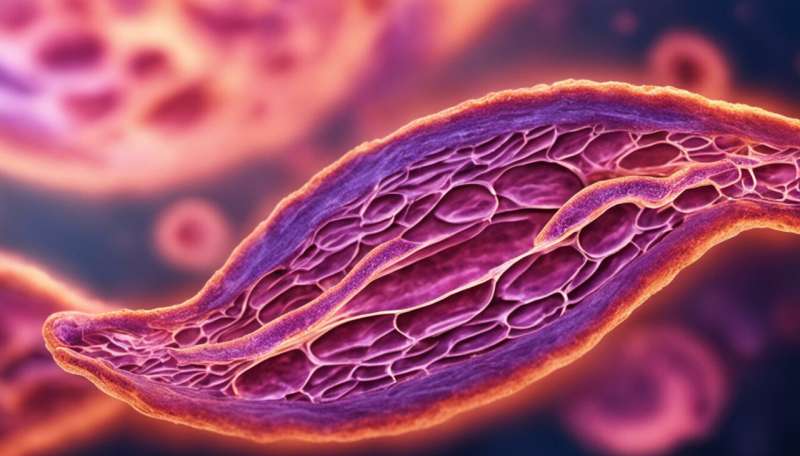
The human stomach — cancer in this organ has a low profile but a high death rate. Credit: iStockphoto.com/IngramPublishing
Stomach cancer doesn't get the same publicity as lung or breast cancer, but it is a health threat to be taken very seriously. "Gastric cancer is the second leading cause of worldwide cancer mortality, with an annual death rate of over 700,000 individuals," explains Patrick Tan of the A*STAR Genome Institute of Singapore. He notes that this disease is especially prevalent in Asia; gastric cancer is the fifth most common cancer amongst Singaporean men.
Remarkably little is known about the biological triggers of gastric tumor formation. Tan recently led a large international team of researchers that identified genetic risk factors for this particular cancer. They performed a massive dragnet screen for mutations, sequencing 18,000 genes in 15 different tumors and comparing them against equivalent sequences from adjacent, noncancerous tissue.
The results proved illuminating. For example, although half of all gastric cancer cases are associated with infection by the bacterium Helicobacter pylori, there were no obvious differences in mutational profiles from H. pylori-positive and -negative tumors. However, Tan notes that this may also be a result of limited sample size. In general, the researchers encountered striking diversity across their samples, but also uncovered patterns upon closer examination. "Although most individual genes were only mutated in a small proportion of samples—usually less than 10%—many of the genetic abnormalities represented different components of the same functional pathway," says Tan.
Many mutations observed by the team affect cellular adhesion pathways, which can influence tumor progression and metastasis. One gene in this pathway, FAT4, caught the researchers' attention; laboratory experiments confirmed that disruption of this gene confers tumorigenic properties on cells. Tan and co-workers subsequently identified FAT4 mutations in genomic data from various other cancers as well. They also identified another previously unknown tumor suppressor gene, ARID1A; importantly, this gene acts in a cancer-associated signaling pathway targeted by existing drugs, suggesting that it may provide a clinically useful indicator for planning patient treatment.
In their ongoing analysis of the gastric cancer genomic landscape, Tan and his co-workers will now investigate major structural alterations—including chunks of chromosome that have been duplicated, deleted or flipped around—as well as changes in how chromosomal DNA becomes chemically modified. Collectively, these data may eventually provide a handy atlas for oncologists. "We hope to apply these technologies to gastric cancer patients treated in clinical trials, to identify accurate molecular predictors of disease relapse and treatment response," says Tan.
More information: Zang, Z. J., Cutcutache, I., Poon, S. L., Zhang, S. L., McPherson, J. R., et al. Exome sequencing of gastric adenocarcinoma identifies recurrent somatic mutations in cell adhesion and chromatin remodeling genes. Nature Genetics 44, 570–574 (2012). www.nature.com/ng/… ng.2246.html
Journal reference:
Nature Genetics
Provided by
Agency for Science, Technology and Research (A*STAR), Singapore
-
Experts identify critical genes mutated in stomach cancer
Apr 08, 2012 |
not rated yet |
0
-
Genetic differences distinguish stomach cancers, treatment response
Aug 01, 2011 |
not rated yet |
0
-
New fusion gene plays role in some stomach cancers
Apr 06, 2011 |
not rated yet |
0
-
Stomach bacterium damages human DNA
Sep 06, 2011 |
not rated yet |
0
-
Duke/Singapore scientists find new way to classify gastric cancers
Oct 02, 2009 |
not rated yet |
0
-
Motion perception revisited: High Phi effect challenges established motion perception assumptions
Apr 23, 2013 |
3 / 5 (2) |
2
-
Anything you can do I can do better: Neuromolecular foundations of the superiority illusion (Update)
Apr 02, 2013 |
4.5 / 5 (11) |
5
-
The visual system as economist: Neural resource allocation in visual adaptation
Mar 30, 2013 |
5 / 5 (2) |
9
-
Separate lives: Neuronal and organismal lifespans decoupled
Mar 27, 2013 |
4.9 / 5 (8) |
0
-
Sizing things up: The evolutionary neurobiology of scale invariance
Feb 28, 2013 |
4.8 / 5 (10) |
14
-
Classical and Quantum Mechanics via Lie algebras
Apr 15, 2011
- More from Physics Forums - Independent Research
More news stories
Researchers develop model for better testing, targeting of malignant peripheral nerve sheath tumors
University of Minnesota Medical School researchers from the Masonic Cancer Center, University of Minnesota, in partnership with the University's Brain Tumor Program, have developed a new mouse model of malignant peripheral ...
Genetics
May 20, 2013 |
5 / 5 (1) |
0
|
Researchers identify new circadian clock component
Northwestern University scientists have shown a gene involved in neurodegenerative disease also plays a critical role in the proper function of the circadian clock.
Genetics
May 16, 2013 |
3 / 5 (1) |
1
|
Returning genetic incidental findings without patient consent violates basic rights, experts say
Informed consent is the backbone of patient care. Genetic testing has long required patient consent and patients have had a "right not to know" the results. However, as 21st century medicine now begins to use the tools of ...
Genetics
May 16, 2013 |
5 / 5 (1) |
3
|
Ethicists provide framework supporting new recommendations on reporting incidental findings in gene sequencing
In a paper published in Science Express, a group of experts led by bioethicists in the Center for Medical Ethics and Health Policy at Baylor College of Medicine provide a framework for the new American College of Medical Geneti ...
Genetics
May 16, 2013 |
not rated yet |
0
Experts urge caution over use of new genetic sequencing techniques
The use of genome-wide analysis (GWA), where the entirety of an individual's DNA is examined to look for the genomic mutations or variants which can cause health problems is a massively useful technology for diagnosing disease. ...
Genetics
May 16, 2013 |
not rated yet |
0
If you can remember it, you can remember it wrong
(Medical Xpress)—Native peoples in regions where cameras are uncommon sometimes react with caution when their picture is taken. The fear that something must have been stolen from them to create the photo ...
B vitamins could delay dementia
(Medical Xpress)—Despite spending billions of dollars on research and development, drug companies have been unable to come up with effective treatments for dementia and Alzheimer's Disease (AD). Now, A. ...
New sleeping pill poised to hit US markets
An experimental sleeping pill from US drug company Merck is effective at helping people fall and stay asleep, according to reviewers at the US Food and Drug Administration, which could soon approve the new drug.
Reducing caloric intake delays nerve cell loss
Activating an enzyme known to play a role in the anti-aging benefits of calorie restriction delays the loss of brain cells and preserves cognitive function in mice, according to a study published in the May ...
Insight into the dazzling impact of insulin in cells
Australian scientists have charted the path of insulin action in cells in precise detail like never before. This provides a comprehensive blueprint for understanding what goes wrong in diabetes.
Antidepressant reduces stress-induced heart condition
A drug commonly used to treat depression and anxiety may improve a stress-related heart condition in people with stable coronary heart disease, according to researchers at Duke Medicine.