Stress prompts some to retain as much salt as eating fries
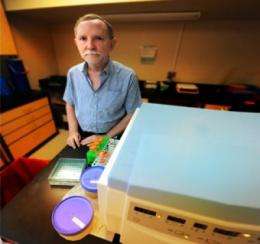
When stressed, about 30 percent of blacks hold onto too much sodium, the equivalent of eating a small order of fast food French fries or a small bag of potato chips, researchers say.
"This response pattern puts you under a greater blood pressure load over the course of the day and probably throughout the night as well, increasing your risk of cardiovascular disease," said Dr. Gregory Harshfield, hypertension researcher at the Institute of Public and Preventive Health at Georgia Health Sciences University.
In response to stress, they hold onto about 160 milligrams of salt, and the top number of their blood pressure – indicating the pressure inside blood vessels each time the heart beats - goes up about seven points more than normal and stays elevated about an hour longer, said Harshfield, who is presenting his findings Sept. 7 during the Behavioural Economics, Hypertension Session of the Psychogenic Cardiovascular Disease Conference in Prato, Italy.
Over the course of the day, this response adds a daily sodium load of about 500 milligrams on top of typically salt-heavy diets. The Institute of Medicine recommends a daily sodium intake of less than 2,300 milligrams – preferably under 1,500 milligrams – while average consumption is about 3,700.
"Everybody knows stress is bad for you and everybody has the perception that a high-salt diet is bad for you, and both are particularly bad for these individuals," said Harshfield who is trying to find an easy way to identify them. "Every time they are stressed, they hold onto as much salt as you get eating a small order of French fries and this can occur many times over the course of even a good day."
The worse news is this increased retention likely causes blood pressures to stay elevated even during sleep, which should be a recuperative time for the body, Harshfield said. Nighttime blood pressures often are considered the truest reading since they should not be impacted by stress.
In a handful of young blacks identified as sodium retainers through a complex research protocol, Harshfield has shown that the dangerous sodium load can be lifted with angiotensin receptor blockers, a common blood pressure treatment. Ironically these drugs are rarely used in blacks who tend not to have high levels of the powerful blood vessel constrictor angiotensin. However, Harshfield's group has evidence that sodium retainers would definitely benefit because they have a version of the angiotensin receptor gene that exacerbates problems with sodium handling. A truly low-salt diet likely would be beneficial as well.
Angiotensin increases blood pressure by directing the kidneys to hold onto more salt and by increasing levels of the hormone aldosterone, which also directs the kidneys to retain salt. The normal response to stress is to temporarily increase blood vessel constriction, which actually increases sodium excretion, Harshfield said.
His studies have long focused on the kidney and years ago found that about 30 percent of blacks and about 10 percent of whites tend to hold onto more sodium for longer periods in response to stress. Stress activates the sympathetic nervous system, which drives the – hopefully temporary – increase in blood pressure.
The latest findings come from a $10.6 million Program Project grant from the National Heart, Lung and Blood Institute focused on how the body regulates blood pressure in response to stress. Part of that grant includes a study in which half of 140 young adult sodium retainers take an angiotensin receptor blocker for about a week while the remainder take a placebo. Harshfield "un-blinded" a small number of study participants to collect data for a grant renewal proposal.
In the ongoing search for an easy way to identify sodium retainers, Evan Mulloy, a first-year student at the Medical College of Georgia, is working with Harshfield to collect urine samples from 7- to 21-year-old GHS Children's Medical Center patients being seen for hypertension. Using the doctor's visit as the stressor, they are looking at sodium levels in the urine before and after a visit. Harshfield also is working with MCG Molecular Geneticist Haidong Zhu to develop a genetic profile that could be used for screening.
One in three Americans is hypertensive, according to the NHLBI. The majority of sodium consumed is from processed and restaurant foods.


