Hypnosis study unlocks secrets of unexplained paralysis
February 21, 2013 in Neuroscience

Hypnosis study unlocks secrets of unexplained paralysis

(Medical Xpress)—Hypnosis has begun to attract renewed interest from neuroscientists interested in using hypnotic suggestion to test predictions about normal cognitive functioning.

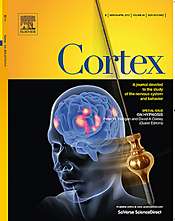
To demonstrate the future potential of this growing field, guest editors Professor Peter Halligan from the School of Psychology at Cardiff University and David A. Oakley of University College London, brought together leading researchers from and hypnosis to contribute to this month's special issue of the international journal, Cortex.

The issue illustrates how methodological and theoretical advances, using hypnotic suggestion, can return novel and experimentally verifiable insights for the neuroscience of consciousness and motor control. The research also includes novel brain imaging studies, which address sceptics' concerns regarding the subjective reality and comparability of hypnotically suggested phenomena that previously depended on subjects' largely unverifiable report and behaviour.

Halligan and Oakley also contribute to a new and revealing brain imaging study in the special issue that explores the brain systems involved in hypnotic paralysis. This research follows their earlier pioneering work on hypnotic leg paralysis reported in the Lancet in 2000.

Patients with "functional" or "psychogenic" conversion disorders present symptoms, such as paralyses, are clinically challenging. They comprise between 30 and 40% of patients attending neurology outpatient clinics and place a huge strain on .

Professor Halligan of Cardiff University's School of Psychology said: "This new study, working with colleagues at the Institute of Psychiatry in London, suggests that hypnosis can provide insights into of the involved in patients who display symptoms of , but without evidence of . New insights show that symptoms experienced by patients with functional or dissociative conversion disorders (e.g. medically unexplained paralysis) can be simulated using targeted hypnotic suggestion.

"In this study we monitored brain activations of healthy volunteers with hypnosis induction who experienced paralysis-like experiences which could be turned 'on' and 'off'. The suggestion resulted in subjects being unable to move a joystick together with a realistic and compelling experience of being unable to move and control their left hand despite trying.

"When compared to the completed movements, the suggested paralysis condition revealed increased activity in brain regions know to be active during motor planning and intention to move – and also brain areas involved in response selection and inhibition."

Comparing symptoms conveyed by conversion disorder patients and those produced by 'paralysis' suggestions in hypnosis, has revealed similar patterns of brain activation associated with attempted movement of the affected limb.

These findings could inform future studies of the mechanisms underpinning limb paralysis in patients with conversion disorders. More importantly they could lead to effective treatments.

Journal reference: Cortex search and more info website

Provided by Cardiff University search and more info website

5 /5 (3 votes)  

Filter


Move the slider to adjust rank threshold, so that you can hide some of the comments.


Display comments: newest first

Tangent2
Feb 21, 2013

Rank: 1 / 5 (1)
Of course hypnotism is considered hogwash by main stream scientists right up to the point where they find a benefit from it, and then it suddenly becomes a legitimate tool. Once again, mainstream catching up with what everyone already knows. Pretty sad, really.
Rank 5 /5 (3 votes)
Relevant PhysicsForums posts

More news stories

Controlling mood through the motions of mitochondria

(Medical Xpress)—Regulating the distribution of power in neurons is done by a system that makes the national electric grid look simple by comparison. Each neuron has several thousand mitochondria confined ...

Neuroscience created 6 hours ago | popularity 4.8 / 5 (5) | comments 0 | with audio podcast report

Brain uses internal 'average voice' prototype to identify who is talking

(Medical Xpress)—The human brain is able to identify individuals' voices by comparing them against an internal 'average voice' prototype, according to neuroscientists.

Neuroscience created 10 hours ago | popularity 1 / 5 (1) | comments 0 | with audio podcast

Depression common among children with temporal lobe epilepsy

A new study determined that children and adolescents with seizures involving the temporal lobe are likely to have clinically significant behavioral problems and psychiatric illness, especially depression. Findings published ...

Neuroscience created 10 hours ago | popularity not rated yet | comments 0

The secret lives, and deaths, of neurons

As the human body fine-tunes its neurological wiring, nerve cells often must fix a faulty connection by amputating an axon—the "business end" of the neuron that sends electrical impulses to tissues or other ...

Neuroscience created 12 hours ago | popularity 5 / 5 (2) | comments 0 | with audio podcast

Regenerating spinal cord fibers may be treatment for stroke-related disabilities

A study by researchers at Henry Ford Hospital found "substantial evidence" that a regenerative process involving damaged nerve fibers in the spinal cord could hold the key to better functional recovery by most stroke victims.

Neuroscience created 12 hours ago | popularity not rated yet | comments 0 | with audio podcast


ACP issues recommendations for management of high blood glucose in hospitalized patients

High blood glucose is associated with poor outcomes in hospitalized patients, and use of intensive insulin therapy (IIT) to control hyperglycemia is a common practice in hospitals. But the recent evidence does not show a ...

Motion quotient: IQ predicted by ability to filter motion (w/ video)

A brief visual task can predict IQ, according to a new study. This surprisingly simple exercise measures the brain's unconscious ability to filter out visual movement. The study shows that individuals whose ...

Multiple research teams unable to confirm high-profile Alzheimer's study

Teams of highly respected Alzheimer's researchers failed to replicate what appeared to be breakthrough results for the treatment of this brain disease when they were published last year in the journal Science.

Scientists discover molecule triggers sensation of itch

Scientists at the National Institutes of Health report they have discovered in mouse studies that a small molecule released in the spinal cord triggers a process that is later experienced in the brain as ...

Researchers find common childhood asthma unconnected to allergens or inflammation

Little is known about why asthma develops, how it constricts the airway or why response to treatments varies between patients. Now, a team of researchers at Weill Cornell Medical College, Columbia University Medical Center ...

Type 2 diabetes progresses faster in kids, study finds

(HealthDay)—Type 2 diabetes is more aggressive in children than adults, with signs of serious complications seen just a few years after diagnosis, new research finds.