Ethnic, socioeconomic factors impact scoliosis tx, outcome
March 2, 2013 in Diseases, Conditions, Syndromes

Ethnic, socioeconomic factors impact scoliosis tx, outcome

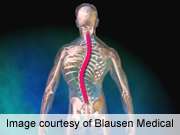
For hospitalized patients with idiopathic scoliosis, ethnic and socioeconomic variables influence treatment and outcomes, according to a study published in the February issue of The Spine Journal.

(HealthDay)—For hospitalized patients with idiopathic scoliosis, ethnic and socioeconomic variables influence treatment and outcomes, according to a study published in the February issue of The Spine Journal.

Miriam Nuño, Ph.D., from the Cedars-Sinai Medical Center in Los Angeles, and colleagues assessed potential disparities in the selection of treatments and outcomes using administrative data from the nationwide inpatient sample from 1998 to 2007 for patients with idiopathic scoliosis. Cases included 9,077 patients treated surgically and 1,098 treated nonsurgically.

In univariate analysis, the researchers found that patient- and hospital-level variables correlated strongly with surgical versus and outcomes. In multivariate analysis, even after adjustment for comorbidities, Caucasians and patients with private insurance were significantly more likely to undergo surgical treatment. Compared with non-Caucasians, Caucasians had a significantly reduced risk of non-routine discharge. The surgery rates were higher (P = 0.08) and mortality risks were significantly lower in large hospitals compared to small- or medium-sized facilities. Large more commonly admitted Caucasians (65.1 percent) than African-American (59.8 percent) or (41.8 percent)

"This study captures trends in the selection of surgical and nonsurgical treatments for idiopathic scoliosis patients during a nine-year period in the United States and identified disparities in the surgical treatment and outcomes for hospitalized scoliosis patients based on ethnic and socioeconomic variables," the authors write.

One author disclosed to the medical technology industry.

More information: Abstract
Full Text (subscription or payment may be required)

Journal reference: Spine Journal search and more info website

Health News Copyright © 2013 HealthDay. All rights reserved.

not rated yet  

Rank not rated yet
Relevant PhysicsForums posts

More news stories

Researchers find genetic risk factor for pulmonary fibrosis

A paper recently published in the New England Journal of Medicine and co-written by physicians and scientists at the University of Colorado School of Medicine finds that an important genetic risk factor for pulmonary fibros ...

Diseases, Conditions, Syndromes created 10 hours ago | popularity not rated yet | comments 0

Biomarkers discovered for inflammatory bowel disease

Using the Department of Defense Serum Repository (DoDSR), University of Cincinnati (UC) researchers have identified a number of biomarkers for inflammatory bowel disease (IBD), which could help with earlier diagnosis and ...

Diseases, Conditions, Syndromes created 10 hours ago | popularity 5 / 5 (1) | comments 0

CDC says high number of public pools contain microbes

(HealthDay)—Three-quarters of public schools in the metro Atlanta area contain microbes, including bacteria indicating the presence of fecal matter, according to research published in the May 17 issue of ...

Diseases, Conditions, Syndromes created 11 hours ago | popularity not rated yet | comments 0

Study examines outbreak of spinal infections in Michigan

(HealthDay)—Factors such as increased case finding may explain why Michigan had half of the total spinal infections associated with contaminated methylprednisolone acetate in the recent fungal meningitis ...

Diseases, Conditions, Syndromes created 11 hours ago | popularity not rated yet | comments 0

World not ready for mass flu outbreak, WHO says

The world is unprepared for a massive virus outbreak, the deputy chief of the World Health Organization warned Tuesday, amid fears that H7N9 bird flu striking China could morph into a form that spreads easily among people.

Diseases, Conditions, Syndromes created 11 hours ago | popularity not rated yet | comments 0


If you can remember it, you can remember it wrong

(Medical Xpress)—Native peoples in regions where cameras are uncommon sometimes react with caution when their picture is taken. The fear that something must have been stolen from them to create the photo ...

B vitamins could delay dementia

(Medical Xpress)—Despite spending billions of dollars on research and development, drug companies have been unable to come up with effective treatments for dementia and Alzheimer's Disease (AD). Now, A. ...

Insight into the dazzling impact of insulin in cells

Australian scientists have charted the path of insulin action in cells in precise detail like never before. This provides a comprehensive blueprint for understanding what goes wrong in diabetes.

New sleeping pill poised to hit US markets

An experimental sleeping pill from US drug company Merck is effective at helping people fall and stay asleep, according to reviewers at the US Food and Drug Administration, which could soon approve the new drug.

Reducing caloric intake delays nerve cell loss

Activating an enzyme known to play a role in the anti-aging benefits of calorie restriction delays the loss of brain cells and preserves cognitive function in mice, according to a study published in the May ...

Antidepressant reduces stress-induced heart condition

A drug commonly used to treat depression and anxiety may improve a stress-related heart condition in people with stable coronary heart disease, according to researchers at Duke Medicine.