Methods developed to enable large-scale analysis of malaria parasite genomes from patient blood samples
Researchers have developed a new technique to identify hotspots of malaria parasite evolution and track the rise of malarial drug resistance, faster and more efficiently than ever before.
For the first time, researchers have the ability to analyse malaria genomes straight from patient blood samples using new sequencing technologies and informatics methods. As a proof of principle, the team conducted the first analysis of clinical samples from six countries and uncovered unique differences in malaria development in Africa, Asia and Oceania. This study is published in Nature on the 13 June 2012.
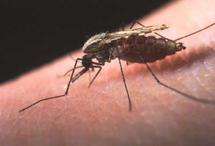
Severe forms of malaria infection are caused by the parasite Plasmodium falciparum, which is spread by mosquitoes. Malaria infects over 200 million people and kills approximately 600,000 people every year, primarily children under the age of five in sub-Saharan Africa.
"One of the most striking features of P. falciparum is its ability to evolve, and overcome anti-malarial drugs. Chloroquine has become ineffective against malaria, and resistance to the other frontline drugs is emerging," says senior author of the study Professor Dominic Kwiatkowski, of the Wellcome Trust Sanger Institute and Oxford University. "If we want to control resistance, we first need to be able to monitor the genetic diversity of P. falciparum and identify hotspots of potential resistance as they occur. Rapid sequencing of parasite genomes from the blood of infected people is a powerful way of detecting changes in the parasite population, and potentially an important new surveillance tool in the armamentarium for controlling malaria."
The team developed a new technique to extract the parasite DNA directly from blood removing as much human DNA from the sample as possible. The new method overcomes the need to grow the parasite in a blood culture before sequencing, speeding the process and minimising replication errors.
P. falciparum genomes are particularly difficult to sequence because, unlike human DNA, large parts of the DNA sequence are repeated. As a result, the reconstruction of whole parasite genome DNA sequences is slow, expensive and error-prone using current DNA sequencing methods. To avoid these problems, the team used sequence data to create a list of single DNA letter changes, known as SNPs, which can be reliably identified in the gene-rich areas of the genome. These SNPs allow the discovery and measurement of variability in natural parasite populations.
"We catalogued approximately 86,000 SNPs in the parasite genome that allow us to pinpoint differences between parasites around the world, a starting point for understanding how these populations adapt to changes in their environment." says Dr Magnus Manske, co-first author from the Sanger Institute.
Dr Olivo Miotto from the Sanger Institute and Oxford University, also a co-first author, adds: "Many malaria patients, especially in Africa, are continually infected by malaria parasites, and we have created a new tool for studying the genetic diversity within a single patient, and compare it to the diversity in their environment."
The team used these techniques to analyse samples from Burkina Faso, Cambodia, Kenya, Mali, Papua New Guinea and Thailand. They found that a single infected person could harbour many genetically different malarial parasites, allowing the parasite populations to swap DNA to create new forms. Hence, the pace of parasite evolution is drastically affected by human factors, as well as geography.
Samples taken from people in the neighbouring African countries of Burkina Faso and Mali, where there are very high levels of malaria transmission, showed strong intermingling of P. falciparum genomes.
In stark contrast, Asian P. falciparum parasites collected on the Thai-Burmese border were not only different from those in Africa, but also distinct from those found near the Thai border with Cambodia. This lack of intermingling could be the result of effective malaria control in Thailand, combined with a history of restricted travel of people between Thailand and Cambodia.
"The emergence and spread of anti-malarial drug resistance is a major threat to current global initiatives to control and eliminate malaria" says Professor Nick White of Oxford University and Mahidol University, Thailand. "This research provides fundamental insights into the population structure and evolution of Plasmodium falciparum that are essential if we are to identify, map, and then contain spreading resistance. Working as a global community, we can now build on this technique to identify hotspots of antimalarial drug resistance around the world and contain them effectively."
More information: Magnus Manske, Olivo Miotto et al (2012) Analysis of Plasmodium falciparum diversity in natural infections by deep sequencing. Nature, DOI: 10.1038/nature11174


