Diabetes prevention: Start small, experts say
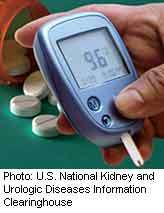
(HealthDay)—Diabetes robs people of their lives—their vision, their mobility, even their limbs—if it is not controlled, yet the real tragedy of this modern-day scourge is that its most common form, type 2, is largely preventable.
Type 2 diabetes, typically caused by poor diet and a sedentary lifestyle, often leads to blindness, heart and kidney disease, nerve damage, and even amputations.
Formerly known as adult-onset diabetes because it was rarely seen in young people, type 2 diabetes now disables Americans of all ages in all 50 states, according to new figures from the U.S. Centers for Disease Control and Prevention. Eighteen states saw their rates of diabetes cases double between 1995 and 2010, while 42 states saw that rate jump by 50 percent, the agency report found.
People with diabetes can't properly convert the food they eat into energy. The result is that harmful levels of glucose build up in the blood, instead of fueling the rest of the body.
A healthy lifestyle can help keep blood sugar levels normal. That means having blood pressure and cholesterol levels controlled, remaining physically active, eating a well-balanced diet and not smoking.
"Keep youth active and eating healthy foods," said Nancy Copperman, director of public health initiatives in the Office of Community Health at the North Shore-LIJ Health System in Great Neck, N.Y. "The prevention of pediatric obesity is the most effective way to turn the tide of the adult diabetes epidemic."
Must you overhaul your household and lifestyle overnight? Not necessarily. "Small steps can turn into great strides in preventing diabetes," Copperman said.
Don't have time to work out at a gym? Copperman suggests incorporating three 10-minute activity breaks into your daily schedules by taking the stairs, getting off the bus a stop earlier than your usual stop and parking at the far end of the shopping mall.
"An active lifestyle can prevent diabetes," she said.
Simple dietary changes, such as adding fruits and vegetables to meals and snacks, reducing portion sizes by using smaller plates and glasses, splitting your meal order at restaurants, and replacing sweetened beverages with water or flavored seltzers can reduce your risk of developing diabetes, she added.
Many people aren't aware they have diabetes until symptoms such as blurred vision or heart problems arise, so it's important to find out if you are at risk for diabetes.
According to the U.S. National Institutes of Health, those at highest risk are age 45 or older, are overweight or obese, have a parent or sibling with diabetes, and lead a sedentary lifestyle, meaning they are moderately active fewer than three times a week. Women who had diabetes while pregnant (gestational diabetes) are also at higher risk, as are blacks, Hispanics and Native Americans.
But small steps can improve your odds. Dr. Ronald Tamler, clinical director of the Mount Sinai Diabetes Center in New York City, said research has shown that people at high risk can prevent or delay the onset of type 2 diabetes by losing 7 percent of their weight if they are overweight—about 15 pounds for someone weighing 200 pounds.
The NIH says the two key factors for diabetes prevention are getting at least 30 minutes of moderate-intensity physical activity, such as walking fast or biking, five days a week, and eating a variety of foods that are low in fat and reducing the number of calories you eat daily.
If you need to lose weight, it helps to set modest goals and chart your progress. Write down what you eat and drink, and document your weight loss. You'll need to take in fewer calories than you burn each day. Also, eat smaller portions of high-fat and high-calorie foods than you currently eat.
Find out how many calories you should consume daily. Someone weighing 175 to 215 pounds who wants to lose one or two pounds a week should eat no more than 1,500 calories and 42 grams of fat a day, according to the NIH.
Cutting calories may be easier than you think. The NIH offers some simple suggestions:
- Substitute vegetables, fruits, beans and whole grains for salty, fatty or sugary foods.
- Add flavor to foods with herbs, spices and low-fat seasonings.
- Cut back on added oils and fatty spreads.
- Bake, grill or steam meats and fish instead of frying them.
- Serve several whole-grain foods each day.
- Add sliced bananas or apples to cereal.
- Serve fruit instead of a high-calorie dessert, and, if you can't resist a sweet treat, share it.
- Buy and try a new fruit or vegetable (ever had fava beans or papaya?).
- Keep to a regular eating schedule, and skip seconds.
- Eat together as a family most days.
"Get a pedometer and use it every day," he added. "Try to walk 10,000 steps every day. When I cross Central Park from east to west, that's about 2,000 steps."
More information: To learn more about diabetes prevention, visit the healthfinder.gov/prevention/Pr … opic.aspx?topicId=73" target="_new">U.S. National Institutes of Health.
To learn about the scope of the problem, read this HealthDay story on a report released Thursday from the U.S. Centers of Disease Control and Prevention that details just how prevalent a disease diabetes has become.
Copyright © 2012 HealthDay. All rights reserved.


